The communists had tortured him. They had worked him near to death in a North Korean labor camp. Any man would have earned the right to hate them.
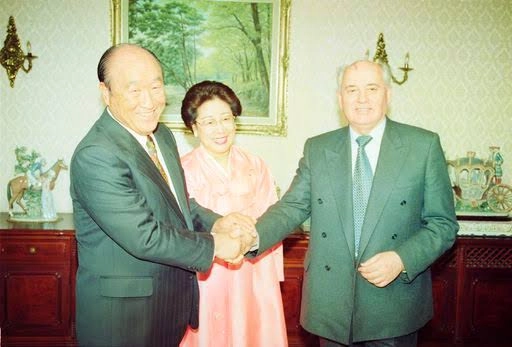
So when Sun Myung Moon walked into the Kremlin in April 1990, the world expected a reckoning.
Instead, he offered to educate their children.
That is the paradox at the center of one of the Cold War's strangest meetings — and the clearest thing Moon ever did to prove he meant the word he had chosen decades earlier. Not anti-communism. Victory over communism: defeat the ideology, and save the person trapped inside it.
For twenty-two years that was theory pressed into speeches and newsprint. In Moscow it became an offer he could not take back.
The offer

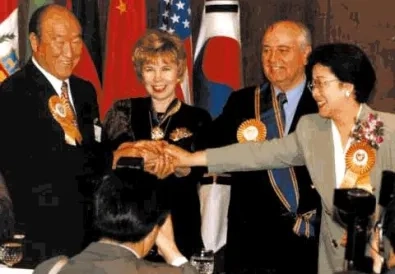
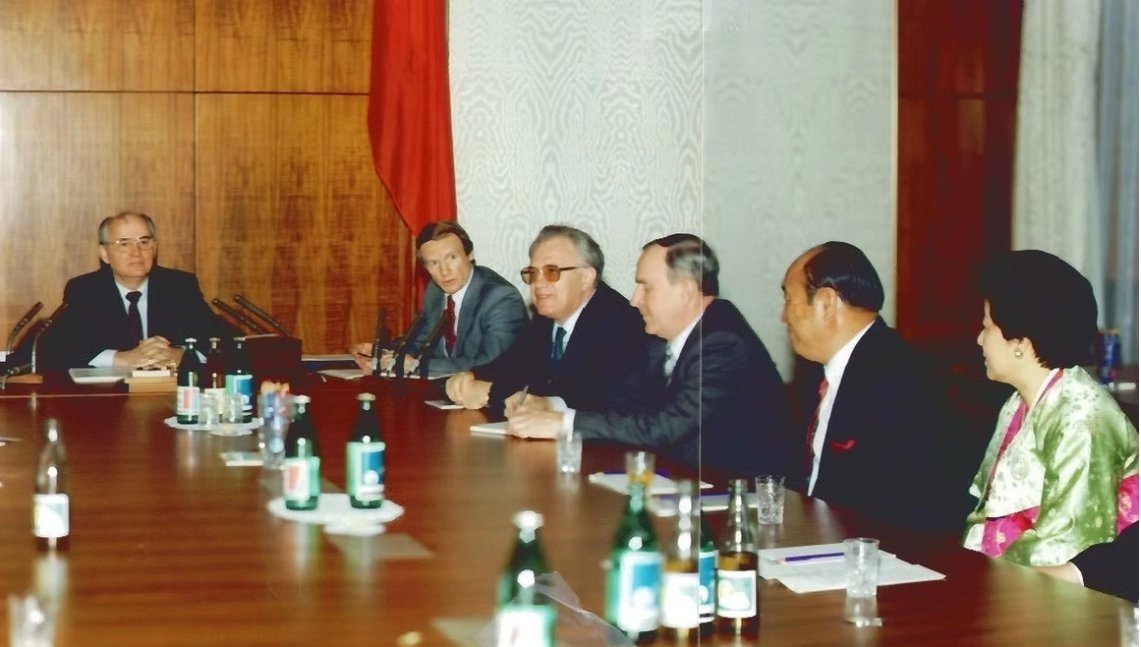
In April 1990 Moon convened the Eleventh World Media Conference and a Summit Council for World Peace in Moscow — journalists, scholars, and former heads of state, assembled in the capital of the empire he had fought his whole adult life. On April 11 he met President Mikhail Gorbachev face to face, a meeting church accounts call historic given that Moon held no office and South Korea had no diplomatic relations with the USSR.
He did not lecture Gorbachev on the failures of Marx. He proposed bringing thousands of Soviet students and young leaders to the United States to see faith and free society for themselves. Church accounts put the figure at 3,000, and the program went forward.

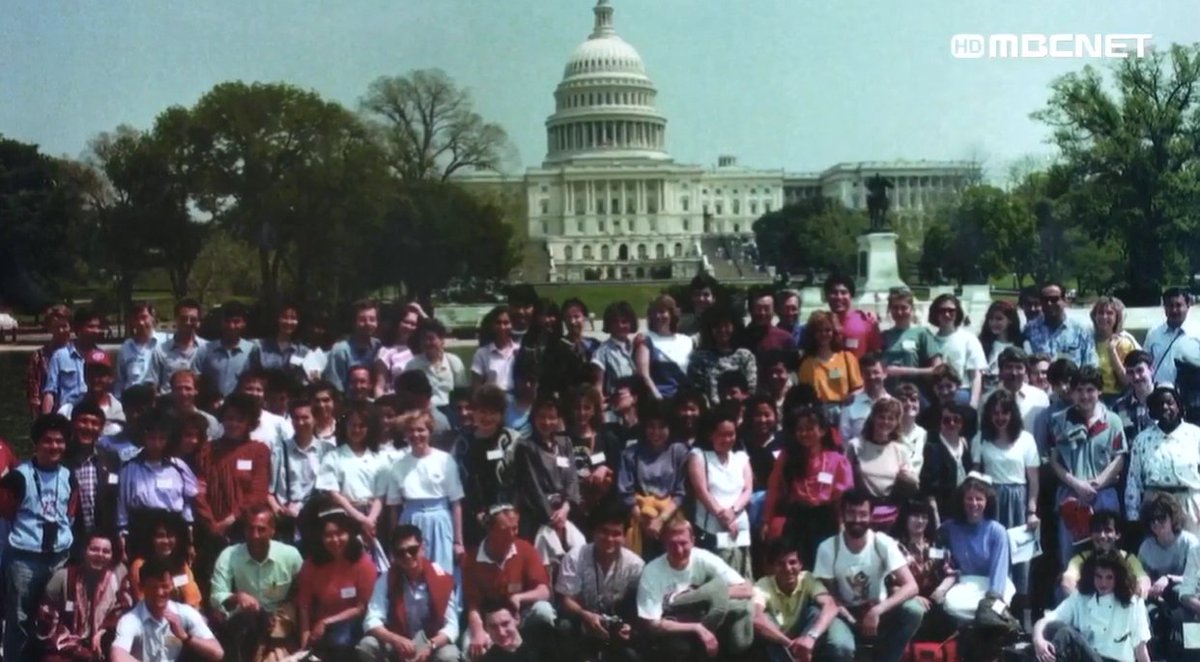
The logic was consistent with everything he had preached: you do not liberate a nation by humiliating it. You liberate it by giving its young people something the old system could not — the direct experience of freedom, and a worldview centered on God rather than the state.


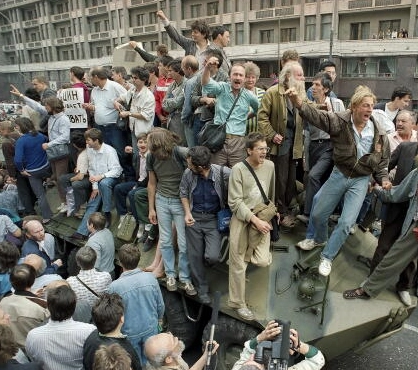
According to his movement's own telling, when hardline communists launched the August 1991 coup to reverse Gorbachev’s reforms and preserve the old centralized system, young Russians shaped by these programs — who had directly tasted freedom and a God-centered worldview — stood among those who defended reform in the streets.
Treat that claim as the movement's account, not settled history. The timeline around it, however, is not in dispute: just twenty months after Moon’s visit, the Soviet Union was gone.
Why it still matters
It is easy, in an age of permanent outrage, to treat opponents as enemies to be crushed. Moon's Moscow gambit rebukes that instinct — and it came from a man who had every reason to indulge it.
Nothing about his conviction softened. He had spent the 1970s warning that "godless communism" was the gravest threat of the age, and in 1982 he founded The Washington Times to press the case. What changed at the Kremlin was not the target but the method: confront the ideology, redeem the person.
A democracy that knows only how to defeat its adversaries, and never how to win them over, eventually forgets the difference between fighting evil and destroying people. Moon never confused the two. He opposed the system precisely because he refused to write off the human beings living inside it.
Thirty-six years later, with faith again under pressure and authoritarian power again on the march, the question he answered in that room is still the live one:
When you finally have your enemy in front of you — do you try to destroy him, or do you try to save him?