

Secretary of State Marco Rubio drew a bright line last week. Foreigners who finance or incite violent extremists, he said, are enemies of civilization itself.
"Today, the State Department is imposing new visa restrictions to bar Far-Left Terrorists from entering our country. Foreigners who finance, incite, or aid and abet Far-Left Terrorists are enemies of our civilization. They are not welcome in the United States."
The words came alongside a policy and a summit. On July 16, 2026, the State Department announced visa restrictions targeting members of "Far-Left Terrorist and other aligned groups," and Rubio convened officials from more than 60 countries in Washington to confront what he called a resurgence of left-wing political violence. 13

Read the policy closely and the definition is broader than any single label. The department wrote that the strategy it opposes "explicitly aims to undermine the political foundations of free and self-governing societies, utilizing bombings, assassinations, and other forms of terrorism to silence speech, limit political opposition, change policy outcomes, and sabotage political processes." Rubio himself said the name hardly matters: "They can call themselves anti-capitalist or anti-imperialist, communist, or anarchist, or Marxists, but the fundamental character is always the same."
If the fundamental character is what counts — not the slogan — then the honest yardstick is conduct. Does a state keep its courts independent? Its speech free? Its churches open? By that measure, two of America's closest Asian allies deserve a harder look than the summit gave them.
Neither South Korea nor Japan appears on any terrorism list, and both remain treaty partners of the United States. But three documented developments in the past year cut against the very foundations the policy claims to defend.
Speech.
This month South Korea began enforcing an amended Information and Communications Network Act — the so-called "fake news" law. It allows courts to award punitive damages against news organizations and social media influencers found to have spread false information, up to five times the proven loss where content was circulated for profit or to cause harm, with repeat offenders facing fines of up to 1 billion won. Washington's own diplomats objected. The State Department expressed "significant concerns" that the law risks "undermining free speech," and separately warned it should not become "a mechanism to demand censorship of free expression."
Courts.
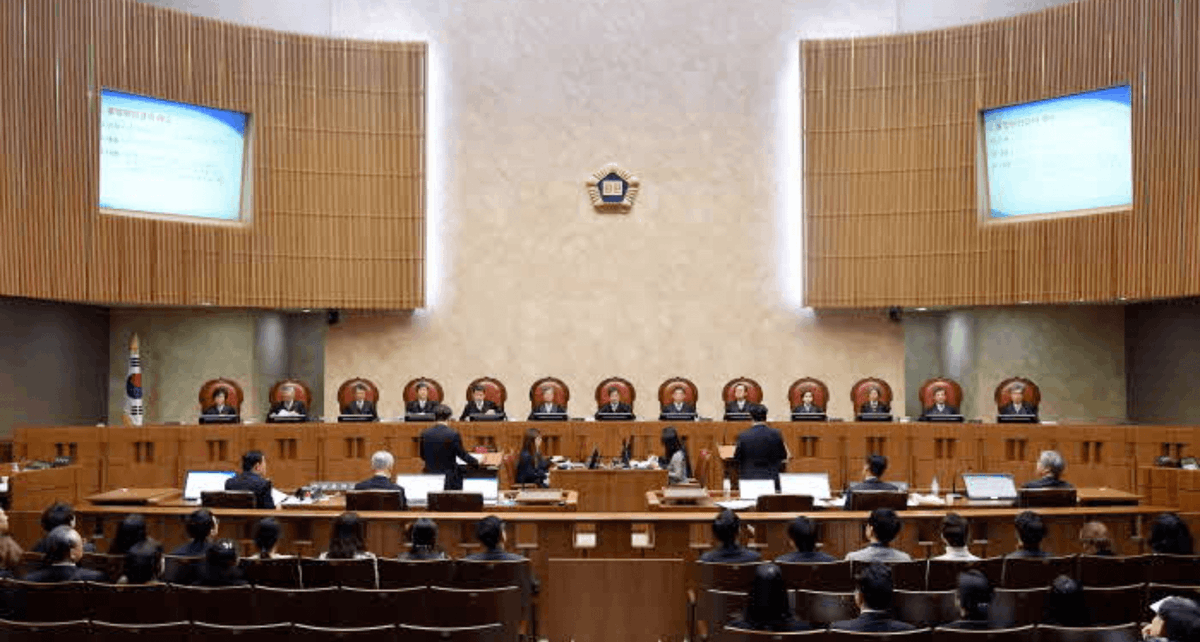
In March, Seoul enacted the biggest judicial overhaul since 1987. The number of Supreme Court justices will rise from 14 to 26 by 2030, giving President Lee Jae-myung the expected power to appoint 22 of the 26 by the end of his term. The same package created a new "legal distortion" offense targeting judges and prosecutors who deliberately twist the law, punishable by up to 10 years in prison. The judiciary opposed it, and the opposition People Power Party called the reforms a step toward "dictatorship," accusing the government of undermining democratic checks and balances.
Faith.
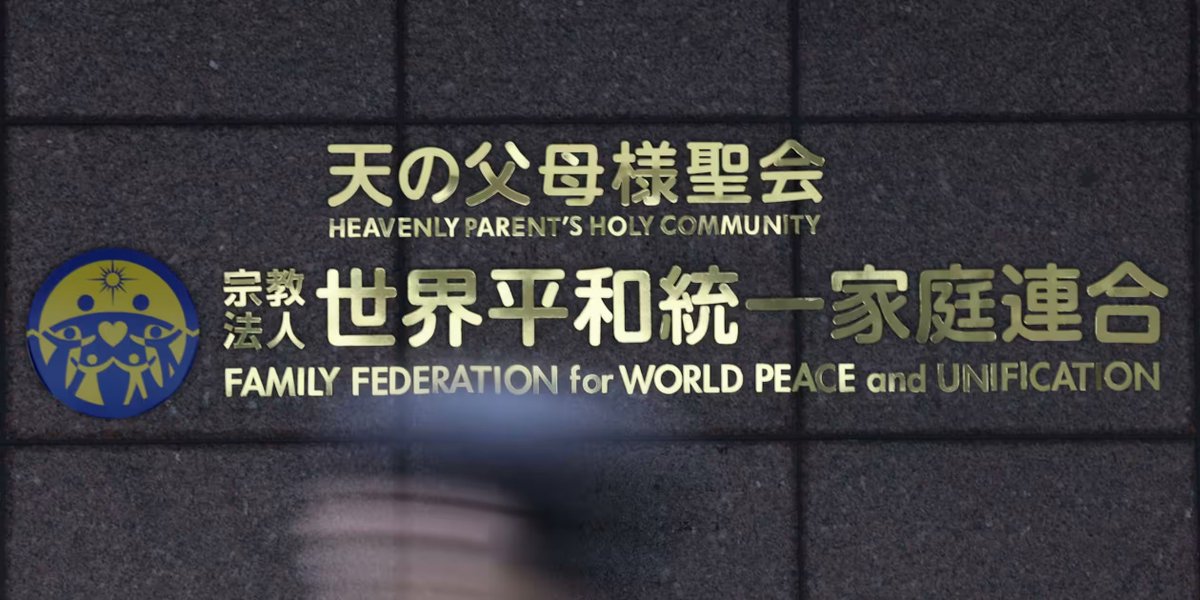
In Japan, on June 22, 2026, the Supreme Court upheld the dissolution of the Family Federation for World Peace and Unification, ruling that the order "does not violate the Constitution, which guarantees freedom of religion and association" — the first time the top court has finalized the dissolution of a religious corporation over civil-code violations rather than criminal acts. Four United Nations Special Rapporteurs had warned that Japan's approach relied on vague concepts of public welfare incompatible with Article 18 of the International Covenant on Civil and Political Rights.
Both governments defend these measures as lawful and necessary. Korea's prime minister, Han Seong-sook, said freedom of expression for legitimate criticism "will be guaranteed to the fullest extent possible," while Japan's court called the dissolution warranted. Those are their words, and readers can weigh them.
But a free society is not defined by which slogans its leaders reject. It is defined by whether courts stay independent, speech stays free, and faith stays unpunished. The enemies of self-government do not always wear masks and throw firebombs. Sometimes they pass laws, expand benches, and shutter congregations — with a signature, not a bomb.
Washington built a ministerial to map that threat abroad. If the real test is whether a state undermines the foundations of a free and self-governing society, then the question the summit did not ask is the one that matters most: does the yardstick point only at strangers, or also at friends?
Sources