

― Beyond Persecution: Young People of the Family Federation Japan has announced that the final ruling on the dissolution order against the Family Federation will be made on March 4th.
The situation in South Korea remains uncertain as well. With only one month left, we want people to know their stories once more.
Despite facing backlash from society, they never resented it. At work, one believer was suddenly fired for being a member of the Family Federation. Still, he overcame it.
When a family member fell seriously ill, they witnessed their parents' unbreakable conviction. For them, faith wasn't just something inherited. It was tested. And it held.
They no longer look back on the past with regret. They look back with pride, and move forward with purpose.
Hear what they've been through, and what they're saying now.
【Case 1: Losing Job and Home Just for Believing】
Lessons from a Summer at Age 20 and a Turn Toward Dialogue
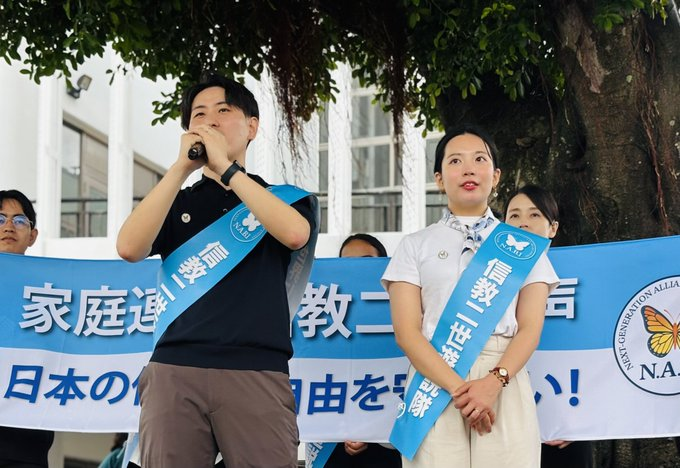
One second-generation believer shared his experience of discrimination during a street speech in front of the Okinawa Prefectural Office. He had traveled to Okinawa from Kagoshima with his wife, finding healing in the blue ocean and warm people, yet he also shared the "heavy reality" that comes with faith.
◆The Experience of Being Fired
At age 20, he was working at an advertising agency in Fukuoka. In just two months, he had secured two contracts, and the company president was so impressed that he gave him five neckties as a gift.
However, an incident occurred at a drinking party with the president, department head, and section chief. Because of his faith, he didn't drink alcohol, and when he revealed his religious beliefs, the president shouted, "You can't drink my sake?!" He was forcibly terminated the next day.
This event left deep emotional scars on the 20-year-old. He painfully realized how lightly "freedom of belief" was treated. Through a lawyer, the case went to court, and he ultimately won, but the psychological damage was severe.
◆Rejection of Rental Contract
Even afterward, it was difficult to rent housing because he was "a staff member of the Family Federation."
There were cases where he had progressed to the contract stage and transferred the initial fees, only to be suddenly told, "We can't proceed with the contract after all."
Through this, he experienced the reality of not being seen "as a human being" simply for having faith.
Through these hardships, rather than just criticizing society, he reaffirmed his faith as "the axis of his life" and "the source of his power to love others."
His happy marriage to a wife he met while maintaining purity, and the example of "living for others" that he learned from watching his parents, became his support.
With gratitude in his heart for Reverend Sun Myung Moon and Dr. Hak Ja Han, who taught him these important ways of living, he shifted to seeking "dialogue" rather than justifying the church.
Words from a Christian pastor—"Couldn't you have had more dialogue with children who were hurt within the church?"—pained his heart and strengthened his resolve to work toward clearing up misunderstandings.
Even in an era when religion tends to be disliked, he believes in a future where people will say, "Religion really was necessary after all." Without repeating past mistakes, he aims for the organization to become "a group that society genuinely needs."
As a step toward building a society where both believers and non-believers respect each other's ways of living, he called on people to lend their ears at his street speech.
His approach has transformed wounds into lessons, elevating them into positive action—the promotion of dialogue.
【Case 2: A Father with 2% Survival Rate and a Mother's Love】
Pride Born from Family Bonds and Hope for the Church's Transformation

Another second-generation believer shared his family's story on the street, emphasizing his pride in faith amid the headwinds of biased media coverage and the dissolution order.
His parents met 30 years ago at a Blessing ceremony and built a family of six with four children. Due to biased reporting, second-generation believers are portrayed as "pitiful children forced into faith by their parents," but he declared firmly, "Not a single one of us was forced."
Though he wavered at times, he encountered love in his family and church, witnessed people who truly "live for others and for the world," and chose to remain in the church on his own.
◆His Father's Illness and Miraculous Recovery When he was 8 years old, his father was diagnosed with leukemia and given a 2% chance of survival by doctors. Though the situation seemed hopeless, through his mother's devoted care and prayers, his father continues to live to this day. This experience deeply influenced him as an example of overcoming family crisis through the power of faith.
◆His Mother's Efforts and Social Contribution His mother currently works at a udon restaurant, earning numerous grateful reviews for her attentive customer service. The store has even achieved the highest customer satisfaction rating in the country, demonstrating "living for others" in society.
At home, she loved and cherished each child, and though she wasn't always graceful, she stayed close to their hearts and encouraged them. Though they had little money, she was a presence who made them feel there was something more precious—the bonds of love.
◆His Own Marriage and the Church's Image He himself recently started a family with a wife he met through the Blessing, after three years of getting to know each other. He avoided relationships with the opposite sex until the Blessing—not "because it's a rule," but to nurture "a straightforward, strong love that cherishes one person forever."
The media portrays this as "being forced to marry someone chosen by parents" or "pitifully forbidden from dating," but he feels happiness in this as a secure bond.
Through these hardships—illness, financial struggles, biased reporting, and the dissolution order—he learned the church's teachings of "a life lived for others" and "cherishing family love," and feels blessed to have been born into his parents' Blessed family.
He acknowledges that the church hasn't been without fault, accepting as fact the struggles in relationships among members and the suffering caused by donations, yet he holds hope that "it is trying to change now."
Focusing on the present and future rather than the past, he takes pride in his identity as a second-generation believer and conveys to society the church's essential path—happy families and a way of life dedicated to community and the world.
By avoiding criticism and sharing a voice of gratitude, he carries forward his faith in a positive way.
【Case 3: A Father's Disability and Loss】
From Despair to Inheriting Love: The Resolve to Protect Through N.A.B.I's Speaking
In the N.A.B.I documentary, a second-generation believer named Mr. Fukunaga was followed closely, depicting how he came to faith through his parents' example and how he responds to the dissolution issue.
In response to the unjust dissolution order of March 25, 2025, he rose up as part of the speaking tour, determined to "protect my precious faith and church." His story is filled with struggle and hope.
◆His Father's Brain Hemorrhage and Family Hardship
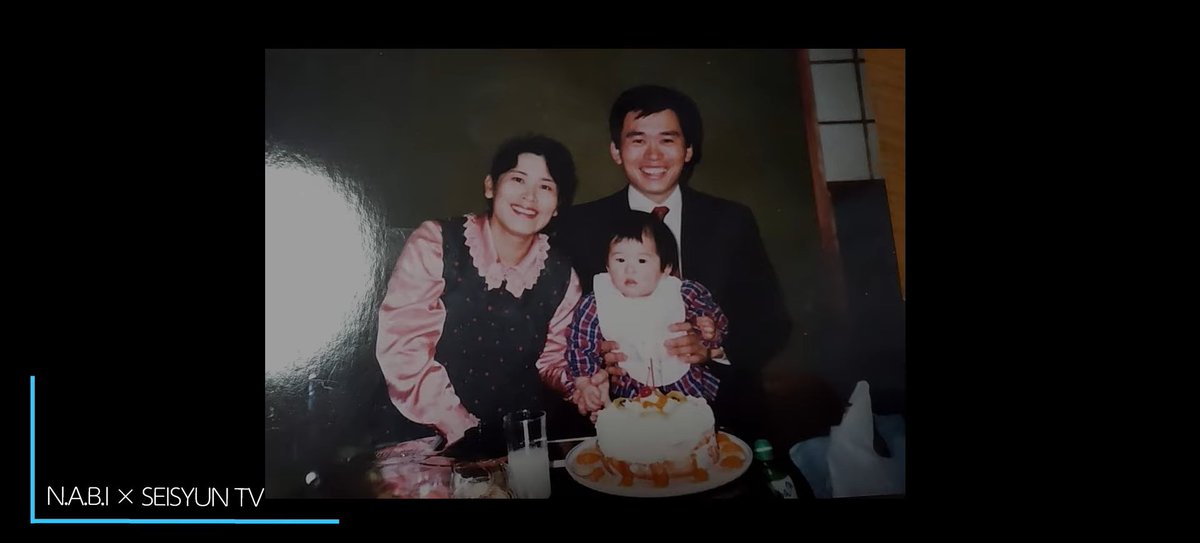
His father, who worked as a church staff member, suddenly collapsed from a brain hemorrhage, leaving him with severe intellectual and physical disabilities, barely able to communicate.
As a young child, Mr. Fukunaga was shocked to see his father wearing an oxygen mask and unable to move during care, and he went through a period of resenting his father. He doubted God's existence, lost the meaning of life, and fell into despair, feeling "it would be fine if I disappeared."
A friend pointed out that "your father's disability is the cause of your personality," which deepened his self-rejection. The family's financial hardship and his mother's grueling caregiving duties—including handling bodily waste—were also heavy burdens.
His grandmother, seeing his mother in this state, called and said. "Divorce my son and leave him to me. Your family should find a different happiness."
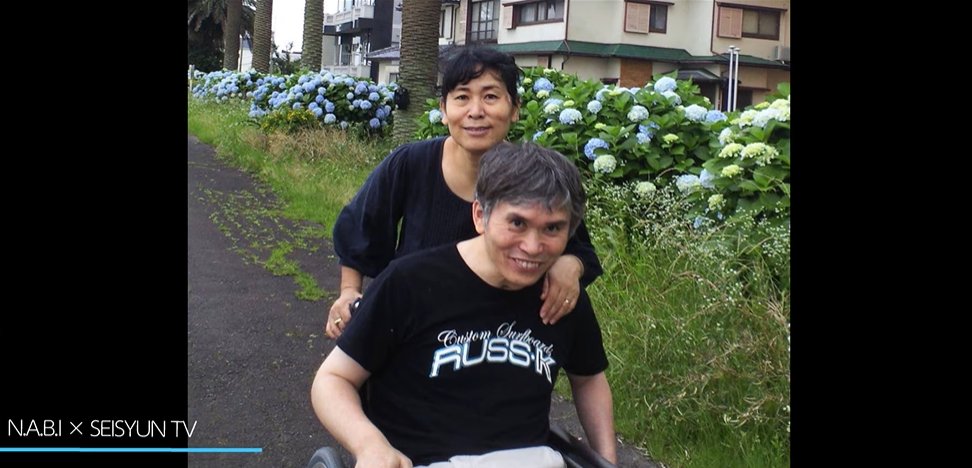
But his mother refused, saying, "I cannot imagine my life without this person." His father passed away in June 2024, and at his deathbed, Mr. Fukunaga promised, "I will make the children happy."
◆His Mother's Devotion and the Influence of FaithHis mother accepted his father's disability, believing him to be "a precious person chosen by God," and cared for him devotedly.
Her words—"My life cannot exist without him"—struck Mr. Fukunaga deeply and made him recognize the value of the Blessing. His mother's smile and positive attitude became the light of the family, and he received this as "proof of God's love."
◆His Own Marriage and Passing Faith to the Next Generation
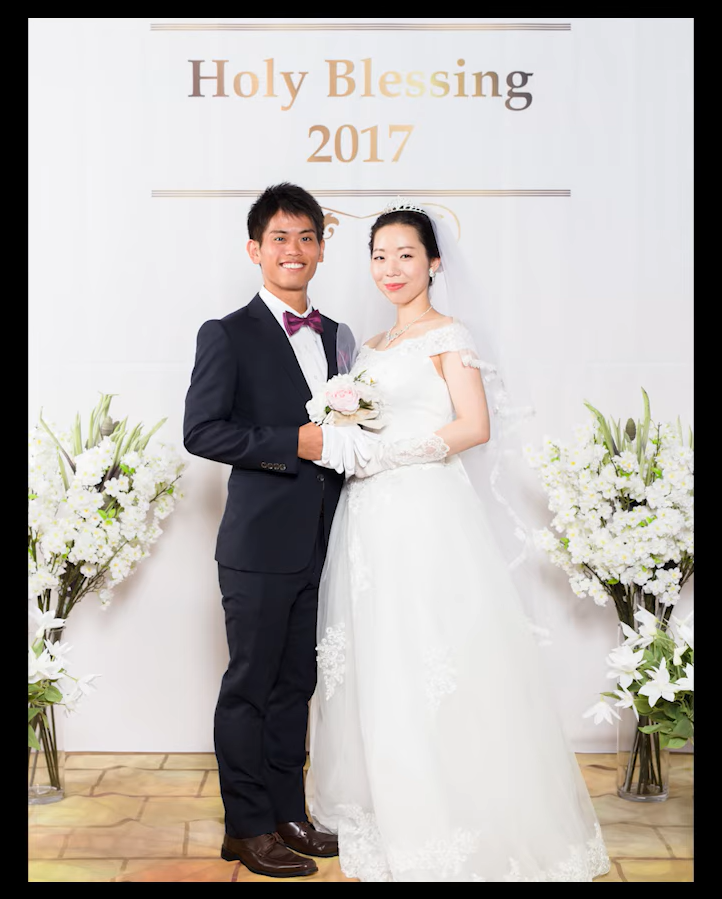
He received the Blessing in 2017, and his first child was born in July 2025. Through faith, he learned the model of "loving one person deeply," and he wishes to pass on the church's teachings to his child and build a happy life.
Through these hardships—disability, caregiving, loss, and the dissolution order—Mr. Fukunaga learned from his mother's love and faith that "love illuminates the future," transforming despair into an opportunity for recovery.
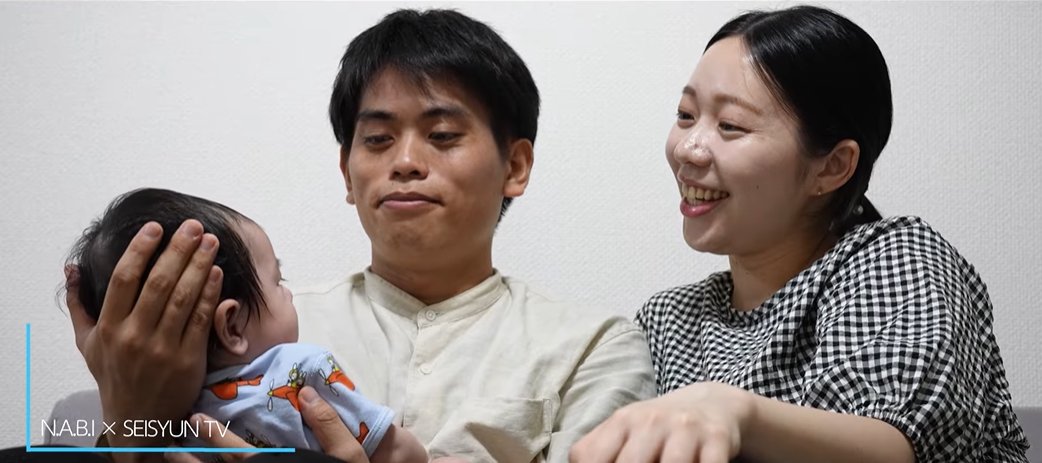
As a church staff member, he is involved in education, applying his faith to serve society. He rejects the media's portrayal of victims and emphasizes that the church made his family happy.
To avoid closing off his child's future, he testifies to the public through the speaking tour and promotes the inheritance of love. Rather than criticism, he takes positive action to protect his faith through messages based on gratitude and hope.
【Conclusion: Common Lessons and a Path Toward Positive Social Contribution】
From these cases, second-generation believers have faced diverse hardships—discrimination, illness, financial struggles, biased reporting, and dissolution orders—yet rather than ending at criticism of society, they have built up their faith.
The common lesson is that family love—devoted caregiving, the bonds of the Blessing—becomes the source of "a life lived for others" and confirms the existence of God.
While acknowledging the church's past mistakes, they believe in improvement and change, continuing their efforts to clear up misunderstandings through dialogue and speaking tours.
These attitudes will quietly but certainly move us toward a future in which more and more people affirm that “faith builds stronger individuals and a kinder society.