
Trump's "Rededication to God" and the Movement That Asked the Same Question a Quarter Century Ago
February 5, 2026, at the 74th Annual National Prayer Breakfast. President Trump declared.
"On May 17, we're inviting Americans from all across the country to come together on our National Mall to pray, to give thanks. We are going to rededicate America as one nation under God."
A standing ovation lasting nearly a minute.
Trump declared, "You just can't have a great country if you don't have religion."
Meanwhile, church-state separation advocates immediately denounced it as "Christian Nationalist rhetoric."
Praise and outrage. Prayer and protest.
This scene forces us to confront a fundamental question.
"Politics and religion must be kept apart" — but was this conventional wisdom ever truly correct?
The Real Meaning of the "Wall"
The origin of church-state separation was, in fact, born from anger over religious persecution.
In 1636, Baptist minister Roger Williams was banished from Massachusetts and fled to Rhode Island. His call for a "wall between church and state" was a levee to protect faith from government corruption.
What he sought to protect was religion itself.
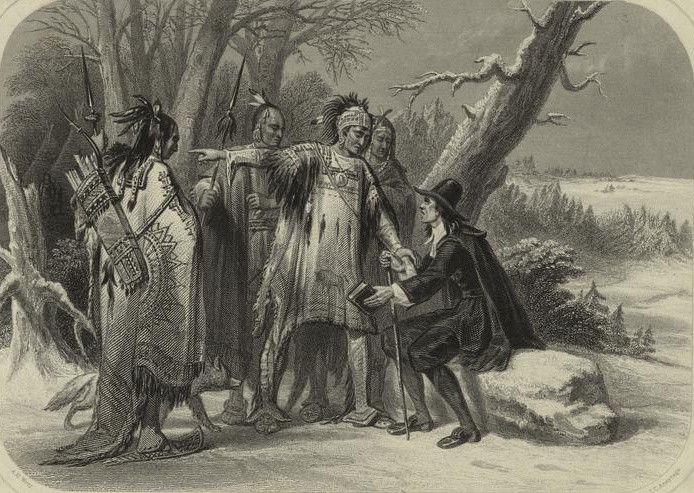
When Jefferson wrote of a "wall of separation" in 1802, the context was the same.
A religious minority feared persecution and appealed to the President. Jefferson promised that the government would not interfere with faith.
In other words, church-state separation at America's founding meant "the state must not impose a specific religion."
It never meant "purge religious values from politics."
Stanford professor Michael McConnell puts it this way:
"What the Framers intended was to prohibit the government from 'controlling' religion. There was nothing wrong with having religious elements in the culture."
Nineteenth-century historian Philip Schaff drew a sharp distinction.
"The American separation of church and state rests upon respect for the church. The European separation rests on indifference and hostility toward the church and religion itself."
The problem is that, somewhere along the way, the world adopted "hostility as separation" as the standard.
What Happened When Religion Was Removed
Since 1945, the United Nations has operated on a design that deliberately excluded the religious dimension.
Despite roughly 80% of the world's population holding religious beliefs, religious leaders have almost never been formally incorporated into conflict mediation.
Rwanda, Srebrenica, Sudan, Myanmar, Gaza — nearly every case the UN acknowledges as a failure involved conflicts intertwined with religion, ethnicity, and culture.
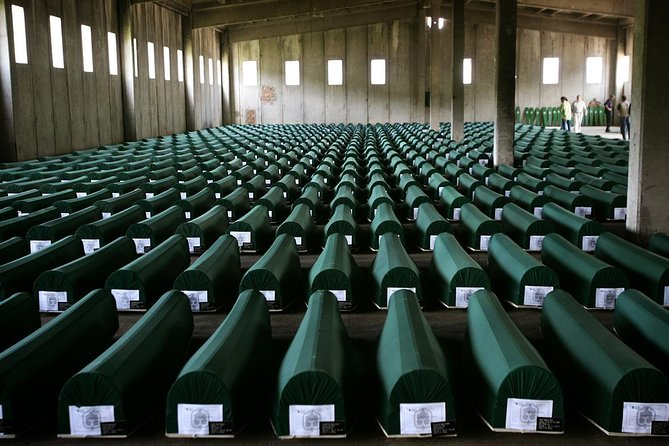
A table of politicians and diplomats alone cannot reach the spiritual dimensions at the root of these conflicts.
Security Council reform has stalled for 30 years, the budget has shrunk roughly 30%, and staff has been cut by 20%.
It is not just the international stage.
Domestically as well, as religion retreated from public life, family breakdown, epidemic loneliness, rising suicide rates, and a loss of meaning — a "crisis of the spirit" beyond the reach of policy — have been eroding societies from within.
Religion is, at its core, the backbone that supports the spiritual life of a nation.
Laws can regulate behavior, but they cannot sustain the human heart.
For thousands of years, that role has been fulfilled by religion and faith.
What happens when you remove that backbone — we are witnessing the answer in real time.
The 80-year experiment of excluding religion has, at least in terms of achieving peace, been difficult to call a success.
The Door Trump Opened
Against this backdrop, Trump shook conventional wisdom with two actions.

The first was the establishment of the Board of Peace in January 2026.
The second was his declaration to "rededicate America to God."
Marking the nation's 250th anniversary, he launched the "America Prays" initiative calling on Americans nationwide to pray weekly, and announced a major prayer gathering on the National Mall for May 17.
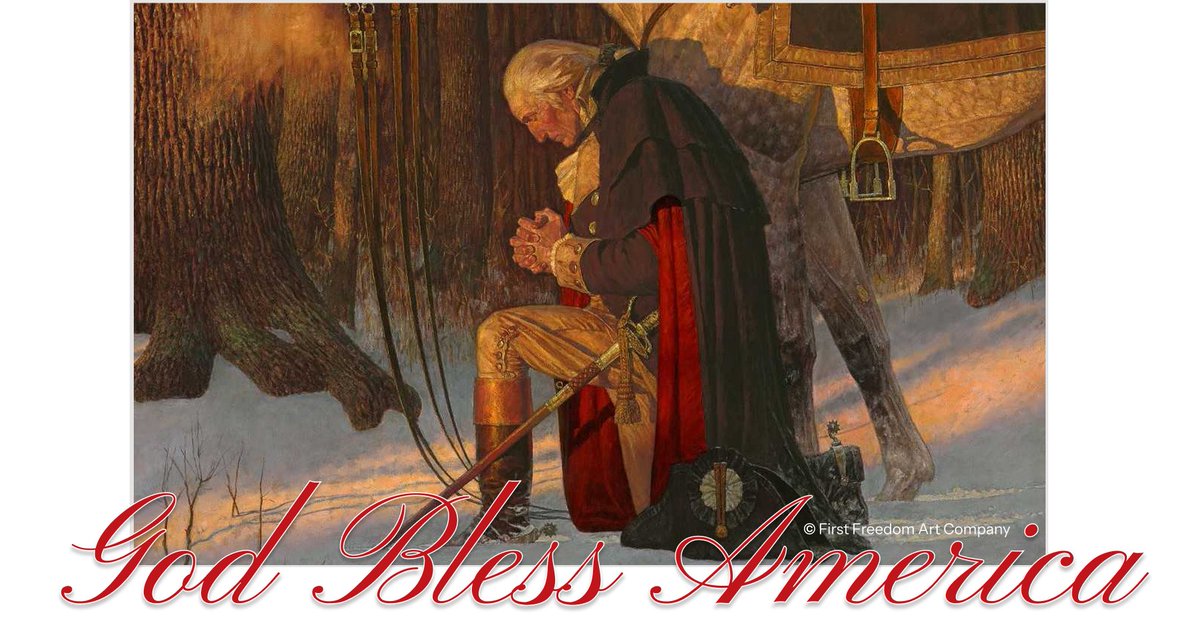
In an era when invoking "God" in politics had become taboo, the president of the world's most powerful nation declared publicly.
"You just can't have a great country if you don't have religion. You have to believe in something."
The concerns of those who criticize church-state entanglement — favoritism toward a specific religion, political exploitation of faith, exclusion of minorities — deserve serious consideration.
But here, one question must be posed.
"Has a politics that completely excluded religious values made the world a better place?"
A movement that has been squarely confronting this question existed a full quarter century before Trump.
The "Answer" from a Quarter Century Ago
In 2000, at the United Nations headquarters, Sun Myung Moon and Dr. Hak Ja Han founder of the Family Federation for World Peace and Unification, proposed.
"An interreligious council, composed of the world's religious leaders, should be established within the United Nations."
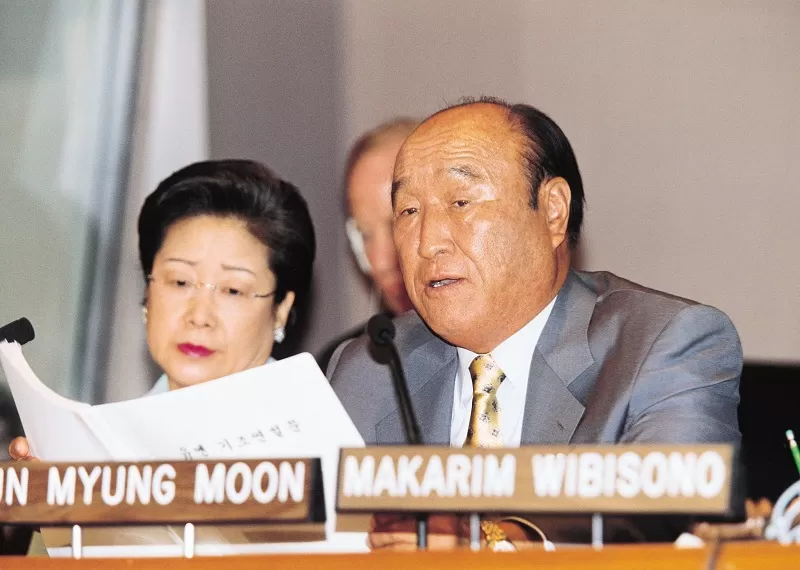
Them argument was clear.
Political leaders and religious leaders must work together for world peace.
Politics alone cannot reach the human heart; religion alone cannot move reality.
Only when both sit at the same table, respecting each other's roles, can peace be realized.
This was not a call for theocracy.
It was a "third way" — between the separation of church and state and the union of church and state.
The Universal Peace Federation (UPF), established in 2005, holds the highest-level General Consultative Status with the UN Economic and Social Council and facilitates interreligious dialogue in over 157 countries.
And at the heart of this movement lies a surprisingly simple conviction: Peace begins in the family.
Peacebuilding That Starts with the Family
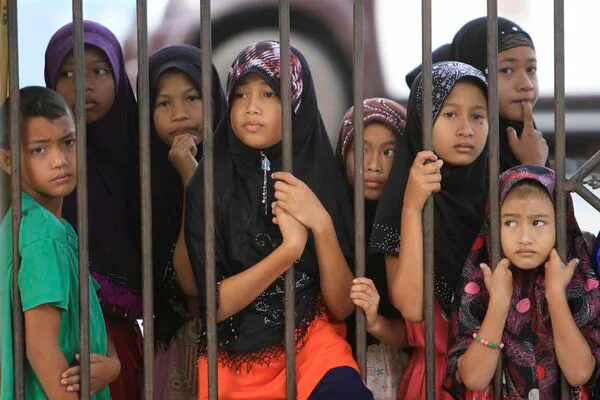
In post-conflict societies, the family is the first thing to collapse — and broken families become the breeding ground for the next generation's violence.
The UN deploys troops.
The Board of Peace addresses infrastructure.
But no international framework squarely tackles the spiritual rebuilding of the families living in those very places.
The network cultivated by the Family Federation across more than 120 countries represents an attempt to approach "inner peace" — the peace within human beings — starting from the smallest possible unit.
Similarly, the interreligious diplomacy of the UPF holds practical value.
History provides numerous examples where the mediation of religious leaders served as a breakthrough for peace, such as in Northern Ireland, Mozambique, and Colombia.
By monitoring and advocating for religious freedom through a network spanning 157 countries, this initiative can play a unique role in peacebuilding—driven not by military or formal diplomatic power, but by civil society.
Putting a "Door" in the Wall
The "wall" of church-state separation should not be torn down.
When a specific religion fuses with state power, persecution and corruption follow.
But raising the wall ever higher and excluding religion has also proven, over 80 years of experimentation, to be no answer.
What is needed is neither tearing down the wall nor raising it higher. It is putting a "door" in the wall.
A door through which political and religious leaders can sit at the same table when needed, without encroaching on each other's domains.
A door through which humanity's spiritual heritage can serve the international order without imposing any specific faith.
What the Family Federation has advocated for a quarter century is precisely the blueprint for this "door."
Now that Trump has launched the Board of Peace and declared America's rededication to God, that blueprint carries more relevance than ever before.
What lies beyond the door?
Perhaps those who will show us first are the people who have been building peace from the most universal place of all — the family.
This article does not promote any specific political position or religious doctrine. Its purpose is to examine the structural challenges of church-state separation and the international order from multiple perspectives.
Sources
Trump's "Rededication to God" Declaration (February 5, 2026)
"America Prays" Initiative (September 2025)
Church-State Separation Critics
History of Church-State Separation
White House Official Documents