
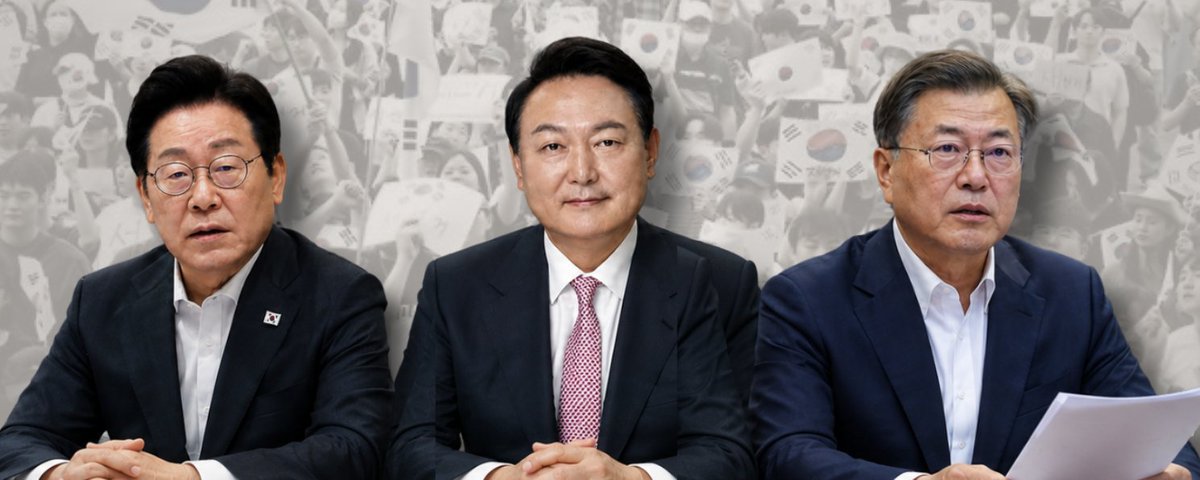
A former South Korean president has been sentenced to 30 years in prison for responding militarily to North Korea. The question that follows is unavoidable: who does a verdict like this serve?
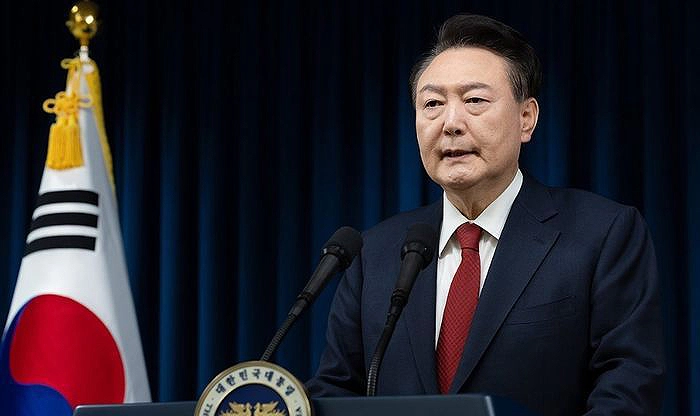
The Verdict and the Shape of the Prosecution
On June 12, the Seoul Central District Court sentenced former President Yoon Suk-yeol to 30 years in prison on charges of general treason (일반이적) and abuse of power. It is the first time in South Korean history that a former president has been convicted on enemy-aiding charges.
The case began in July 2025, when Democratic Party of Korea lawmaker Park Seon-won filed a complaint with the special prosecutor.
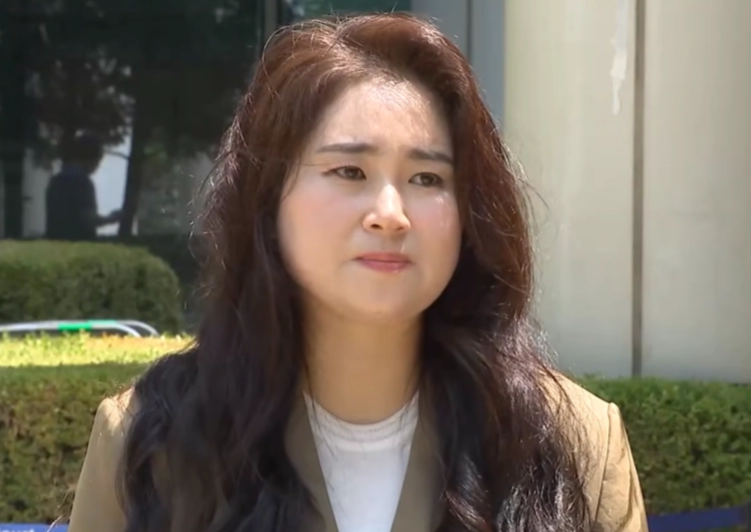
Defence attorney Kim Gye-ri explained the core problem with the indictment:
"Enemy instigation requires proof of collusion with a foreign enemy. The special prosecution could not establish that. So the charge they used instead was general treason."
General treason is a charge that can be applied when a person damages their own country's military interests — without any need to prove collusion with the enemy. The defence also noted that the lawmaker who filed the complaint, Park Seon-won, has a prior record of violations under the National Security Act.
Yoon filed an appeal on the day of sentencing.
The Defence's Arguments at Trial
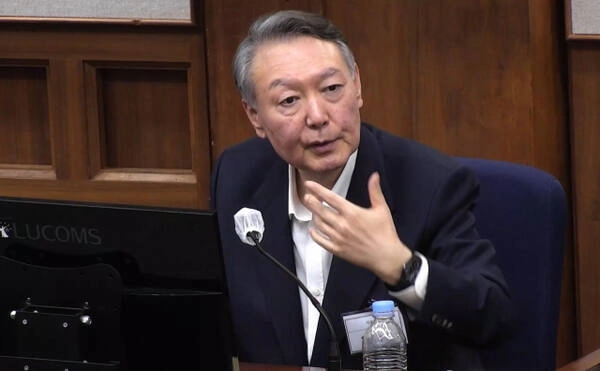
Throughout the proceedings, Yoon consistently denied both ordering the drone operation in advance and approving it after the fact. He rejected the special prosecution's claim connecting the operation to the martial law declaration as fabrication.
In his final statement, Yoon maintained that the operation was "a legitimate military response to North Korea's trash balloon provocations" and pleaded not guilty.
The defence team issued a statement in the same vein: "The drone-based leaflet operation directed at North Korea was a legitimate response to the 7,000 trash balloons North Korea sent into our country. We strongly protest a prosecution that calls this enemy-aiding."
The defence also argued that the court's interpretation — that a military response to North Korean provocation constitutes aiding the enemy — has no basis in legal logic. The court rejected all of these arguments.
North Korea's Trash Balloons — A Provocation Left Unexamined
Behind the defence's claim of legitimate response lies a pattern of repeated North Korean provocation.

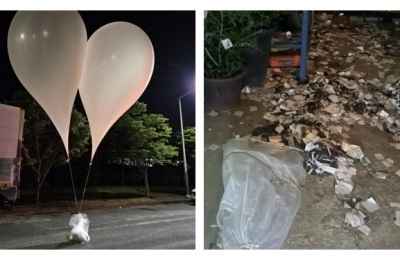
From spring 2024 onward, North Korea sent large numbers of balloons carrying trash, excrement, and hazardous materials across the border into South Korea.
Thousands of balloons entered South Korean territory, with some landing at various locations across Seoul. Multiple vehicles were reported damaged in separate incidents. Analysis of the waste found inside the balloons confirmed the presence of parasites including roundworms, traced to human excrement.
North Korea justified the campaign. Kim Yo-jong, vice director of the Korean Workers' Party, described the trash balloons in an official statement as "gifts of sincerity" and framed them as retaliation for South Korea's refusal to stop anti-North Korea leaflet operations across the border.
The court characterised the drone operation as "a psychological warfare operation designed to provoke a North Korean military reaction." The documented reality of North Korea's own provocations received virtually no consideration in the verdict.
The Security Foundations Dismantled Under Moon and Lee
The defence's question — who is really the one aiding the enemy — points to a specific chain of policy decisions made by two successive administrations.

The Moon Jae-in administration stripped the National Intelligence Service of its counter-espionage authority in 2020. The core function responsible for detecting and prosecuting North Korean and foreign intelligence operations was effectively neutralised. Under the stated goal of improving inter-Korean relations, South Korea's intelligence and surveillance capabilities directed at the North retreated broadly.

The Lee Jae-myung administration disbanded the Defence Counterintelligence Command — the military body dedicated to investigating espionage and enemy-aiding activity within the armed forces. Its dissolution left a direct gap in the military's internal security. The same administration also effectively dismantled the Drone Operations Command.
The defence's position is that this successive dismantling of security infrastructure is the true act of enemy-aiding — and that what Yoon and his co-defendants did was a legitimate attempt at national defence against that very crisis.
A Verdict Delivered as Security Collapses — and a Media That Looked Away
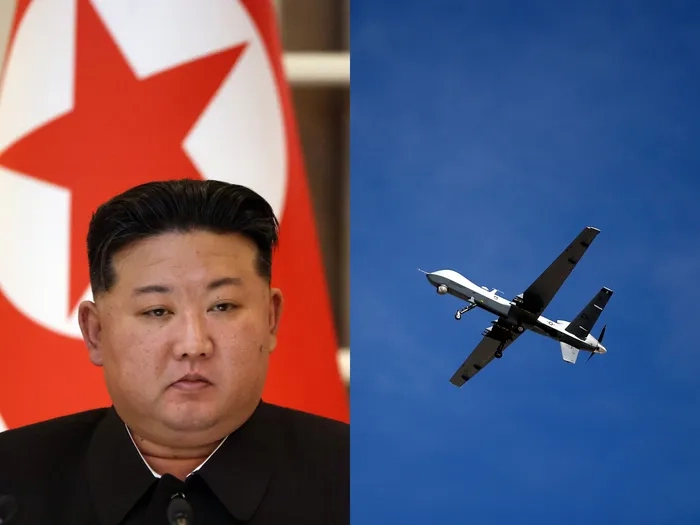
At the post-verdict press conference, Kim Gye-ri put the question directly.
"North Korea has entered the Russia-Ukraine war and expanded its drone warfare capabilities. In the middle of all this, we disbanded the Drone Operations Command. Does that not seem strange? Who is it that is actually aiding the enemy?"
The side that attempted a military response — while counter-espionage functions were being stripped, the counterintelligence command was being disbanded, and drone capabilities were being eliminated — is the side that was convicted of enemy-aiding. It is why the defence described the ruling as "an act of self-harm against national security by the judiciary."
Kim closed with a direct appeal to the public.
"Whether the president engineered this case is not for the judiciary to decide. Citizens, please make that judgment yourselves."
Most major South Korean media outlets reported the verdict largely as established fact.
The documented reality of the trash balloon campaign and the dismantling of security infrastructure received little examination. The defence's arguments were reduced to brief rebuttals appended at the end of reports. The entire trial was conducted behind closed doors, and the evidentiary record was never made public — yet reporting that followed the prosecution's account without scrutiny dominated the coverage.
A press whose core function is to hold power to account gave little sign of doing so.
The Appeal

At the press conference immediately following the verdict, the defence team declared that "if these unjust proceedings continue, history will demand a reckoning."
Attorney Bae Ui-cheol described the ruling as "an act of self-harm against national security that has bound the hands and feet of the soldiers and officials who work for this country's defence" and "an act of tyranny by a judiciary that sides with North Korea."
The 30-year sentence is the second-heaviest handed down across the eight criminal proceedings against Yoon, behind the life imprisonment term imposed in the separate insurrection case in February 2026. Yoon is currently contesting that ruling before the Seoul High Court.