

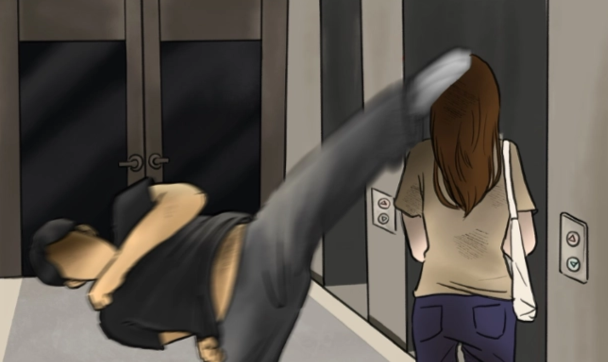
Police initially treated it as a simple assault.
The attacker’s DNA was found inside the victim’s jeans only after prosecutors conducted a supplementary investigation. The charge was upgraded to attempted rape-murder.
Today, that authority is gone.
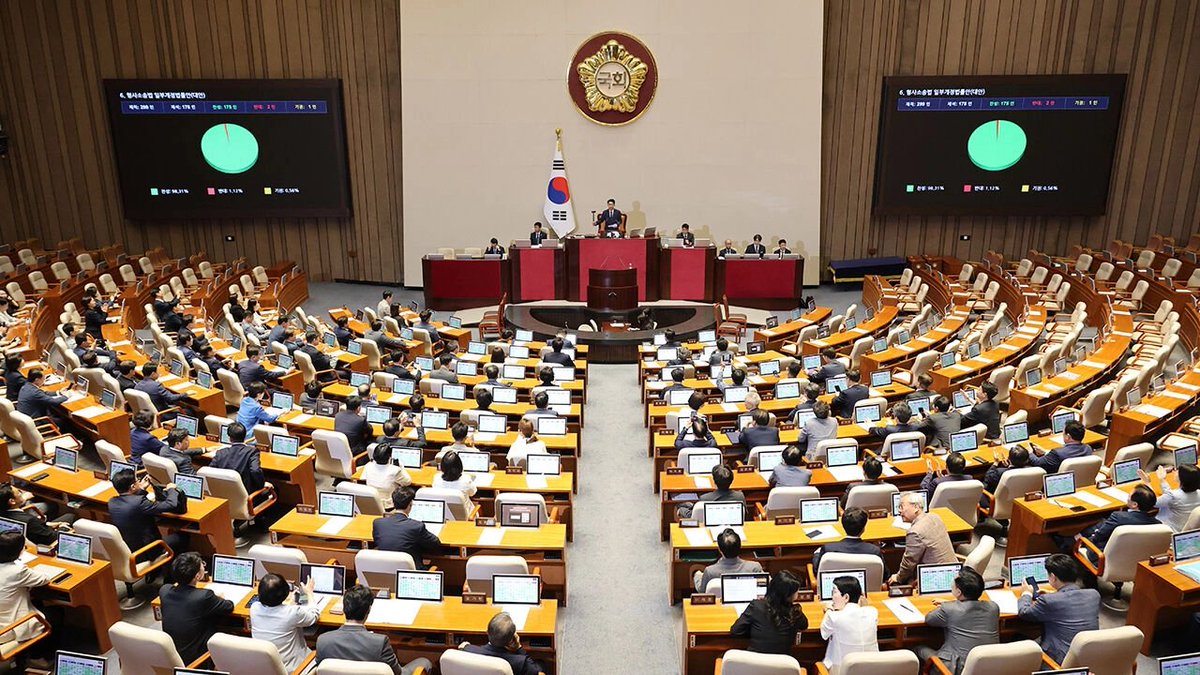
On July 31, the National Assembly passed an amendment to the Criminal Procedure Act abolishing prosecutors’ power of supplementary investigation. The vote was 175 in favor and 2 against. The People Power Party boycotted the vote. The ruling party calls it “the completion of prosecution reform.”
But what was actually completed — reform, or the dismantling of the last meaningful check on police investigations?
The Facts
Supplementary investigation authority allowed prosecutors to conduct additional inquiries themselves or demand that police correct incomplete work after a case was referred. It remained one of the few remaining oversight tools even after the 2021 adjustment of investigative powers between police and prosecutors.
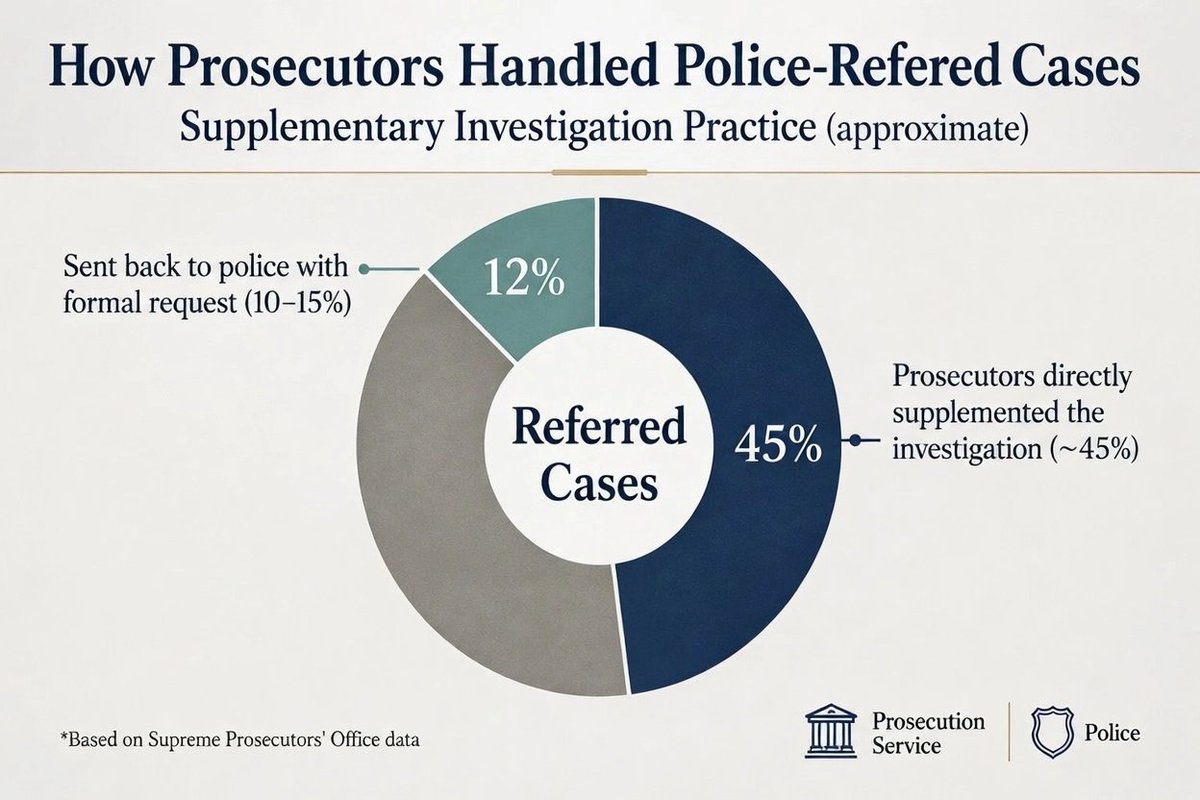
According to Supreme Prosecutors’ Office data, prosecutors themselves supplemented roughly 45 percent of cases referred by police. Only about 10 to 15 percent were sent back with a formal request for further investigation. In practice, prosecutors frequently stepped in directly.
That direct authority has now been eliminated. What remains is only the power to “request” supplementary investigation. In theory, failure to comply can lead to demands for removal from duty or disciplinary action. In reality, over the past five years prosecutors requested disciplinary measures for non-compliance in just one case. Requests for removal from duty were almost never used.
The Core Problem
This raises the essential question.
When police miss something, who catches it?
When police deliberately downplay or bury a case, who uncovers it?
In the Busan “spin-kick” case, police initially treated the attack as simple assault. Prosecutors’ supplementary investigation found the attacker’s DNA inside the victim’s jeans, upgrading the charge to attempted rape-murder.
In the case of film director Kim Chang-min, who was beaten to death, the suspects had already been released. Prosecutors searched their homes, seized their phones, and analyzed call recordings that revealed an intent to kill and plans to destroy evidence — allowing the suspects to be detained on murder charges.

In the Gwangju case of Jang Yoon-gi, police referred it as a spontaneous murder. Supplementary investigation showed that key evidence of a sexual motive had been intentionally left unsecured and not submitted, leading to the charge being raised to murder with the purpose of rape.

The ruling party says it will create a dedicated unit for seven categories of crimes against vulnerable victims. But what about everything else?
In cases of large-scale fraud, organized crime, or incidents involving people close to power, if police choose to soften or stall an investigation, prosecutors no longer have the direct means to dig deeper.
The principle of separating investigation from prosecution sounds clean. But removing the final safety mechanism in the name of preventing concentrated power is not reform — it is the abandonment of oversight.
What the Numbers Show
Public opinion surveys showed 61 percent opposed abolishing the supplementary investigation power. Opposition existed even among a portion of the ruling party’s own supporters. Yet the bill was pushed through by numerical majority while the opposition boycotted.
Given that prosecutors were directly supplementing around 45 percent of referred cases, the claim that a mere “request” power is sufficient looks weak. When police delay or only nominally comply, prosecutors are left with almost no effective tools.
Closing
A democracy is free to redesign its institutions.
It is not free to take away a victim’s ability to ask who will catch the mistake.
Today’s vote answered that question by removing the answer from the victim’s side.
The day has begun when the police officer who first writes “simple injury” also has the last word.