

The Information and Communications Network Act amendment takes effect July 7, 2026 — and critics across the political spectrum are sounding the alarm
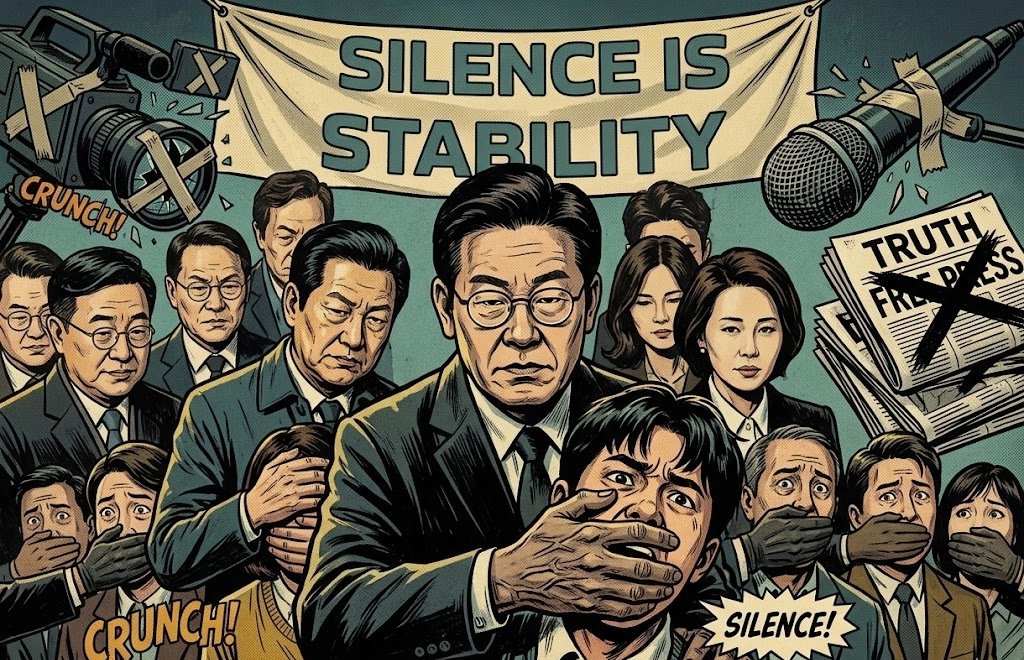
On July 7, 2026, a new law takes effect in South Korea. Its stated purpose is to eliminate "false and manipulated information" online. But a closer reading reveals a different function entirely — building a legal framework that places online speech under state control.
What this law actually does
Media outlets and YouTubers found to have spread "false or manipulated information" can be ordered to pay up to five times the assessed damages. The critical problem is that the authority to define what counts as "false" remains vague — and sits with those in power.
The law hasn't taken effect yet, but the warning signs are already here.
One critic put it plainly: "This is like burning down the house to kill one cockroach"
170 to 3 — Rammed Through
The amendment passed the National Assembly on December 24, 2025, by a vote of 170 to 3. Nearly every yes vote came from the ruling Democratic Party, led by President Lee Jae-myung, which used its supermajority to force the bill through.
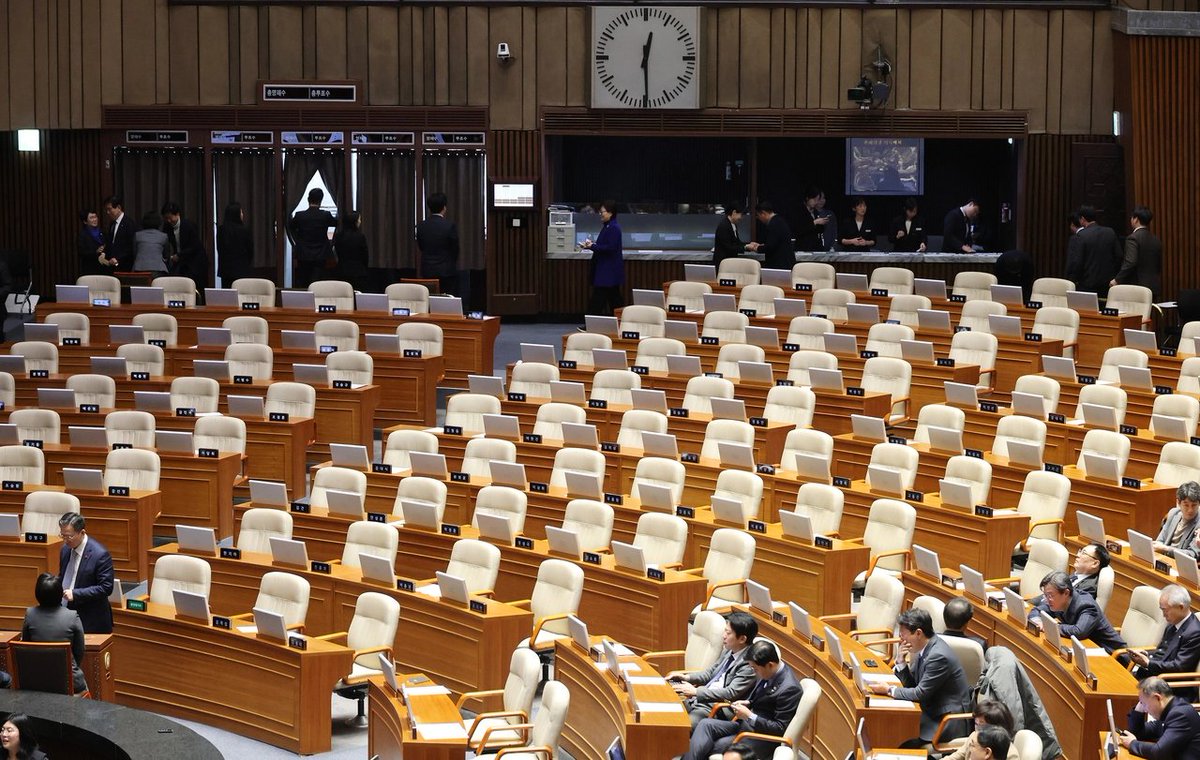
The People Power Party (PPP) boycotted the proceedings entirely. More telling: smaller progressive parties — including the Progressive Party, the Basic Income Party, and the Social Democratic Party — either voted against or abstained, citing constitutional concerns over freedom of expression. The opposition crosses political lines.
Who Gets to Define "Manipulated"?
The law's deepest flaw is the vagueness of its core terms. Legal experts have noted that the definitions of "false information" and "manipulated information" remain underdeveloped even at this stage.
When the definition of falsehood is left open to interpretation, those with power fill the gap. Investigative reporting and political criticism become vulnerable to being reframed as "manipulation."
Silence by Financial Ruin
This law doesn't ban speech. It prices it out of reach.
There is no explicit prohibition. The cost of speaking simply becomes too high. Silence becomes the rational choice.
The U.S. Calls It a Threat — Diplomatic Fallout Follows

This law has moved beyond a domestic controversy into an international dispute.
U.S. Under Secretary of State for Public Diplomacy Sarah Rogers (@UnderSecR) publicly criticized the amendment on X, stating that South Korea's revision "ostensibly focuses on rectifying defamatory deepfakes, but in practice affects a much broader domain and jeopardizes technology cooperation between the two countries."
The State Department followed with an official statement expressing "serious concerns" that the law "negatively impacts U.S.-based online platform businesses and undermines freedom of expression."
The amendment was modeled on the EU's Digital Services Act — a framework the Trump administration considers a non-tariff barrier against American tech companies.
What began as a domestic free speech debate has become part of a larger international contest over who controls the digital order.
Gordon G. Chang : "The Legal System as a Weapon"

Gordon G. Chang (@GordonGChang), author and leading commentator on China and East Asia, has outlined what he calls the law's hidden architecture.
The law includes provisions designed to prevent SLAPP suits — strategic lawsuits used by powerful actors to silence critics. But Chang argues these protections are structurally weak.
A defendant must still endure prolonged litigation just to prove their speech served the public interest. The process itself becomes the punishment — the financial strain, legal uncertainty, and psychological pressure function as deterrents regardless of the final verdict.
Chang highlights three additional dangers:
Chang's conclusion cuts to the core: "The issue is not simply about regulating false information. It is about who has the authority to define falsehood — and how that authority can be used."
Democracy's Contradiction
Authoritarian speech controls rarely arrive overnight. They are institutionalized gradually, under the cover of eliminating harm, restoring order, protecting the public good.
South Korea is a democracy. But democratic majorities can erode democratic freedoms — and this amendment may become a defining example of that paradox.
Even National Assembly Speaker Woo Won-shik warned before the vote that last-minute revisions to the bill "set a very bad precedent" and undermine public trust in the legislative process.
July 7 is approaching. The clock is running — quietly.
Sources
Law Text & Legal Analysis
Vote & National Assembly Coverage
U.S. State Department & Diplomatic Fallout
Press Freedom & Impact on Journalism
YouTuber Investigation Cases
Gordon G. Chang