
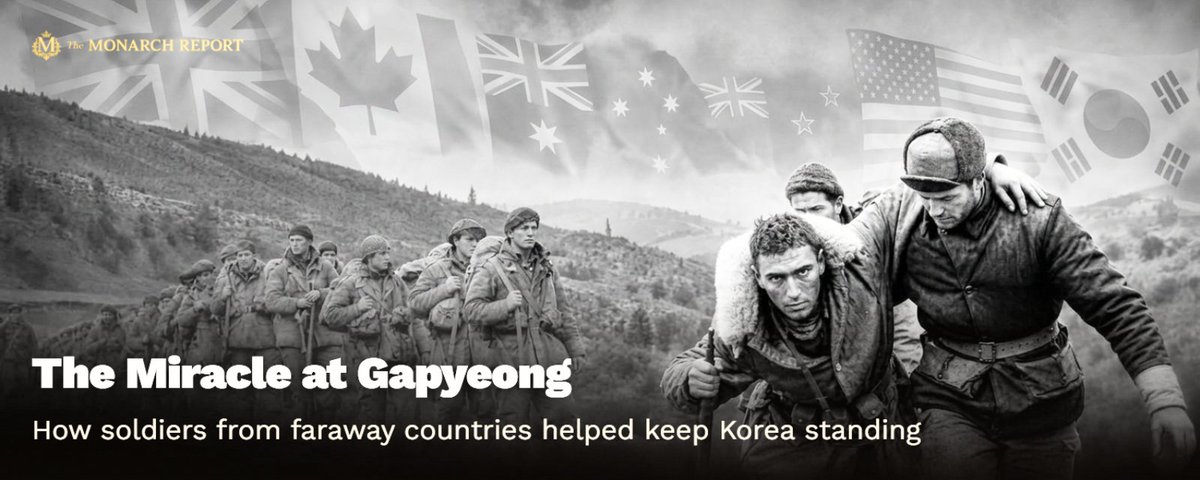
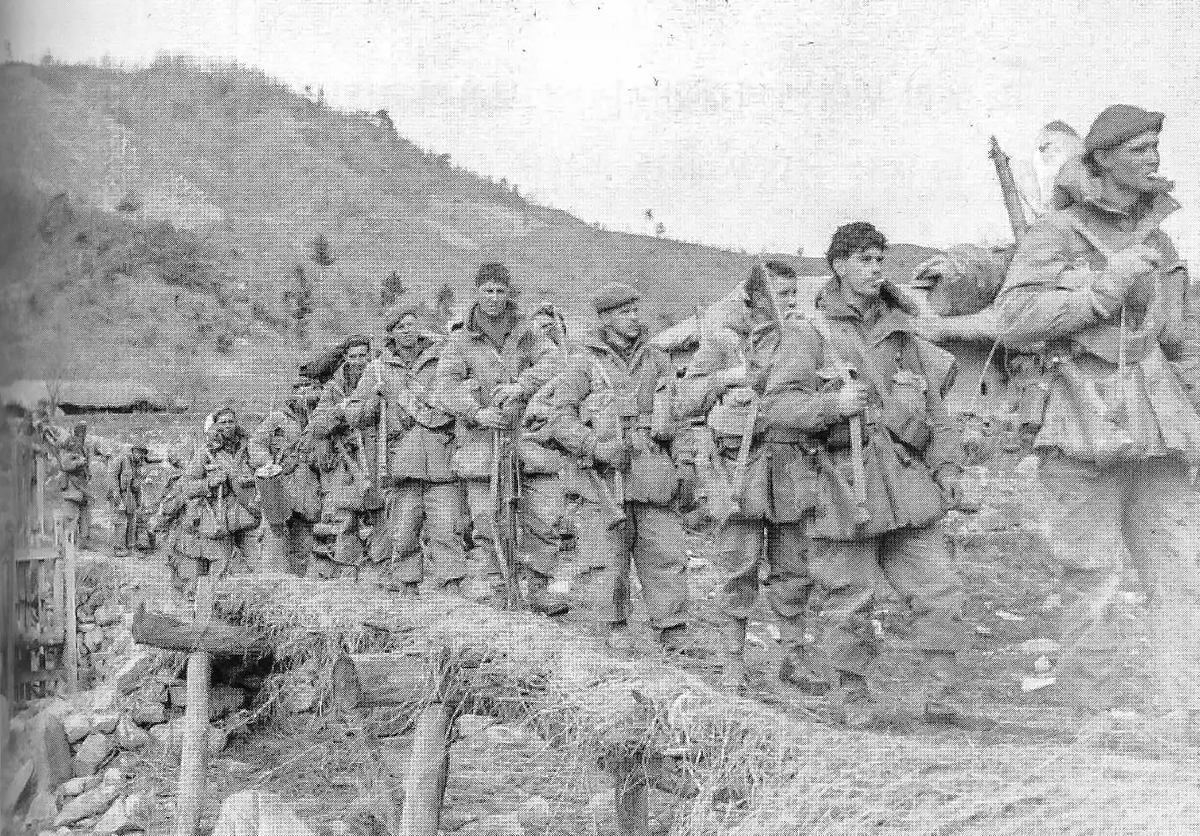
In the spring of 1951, in a Korean valley most of the world still cannot name, about 10,600 Chinese soldiers of the 118th Division ran into about 2,800 United Nations troops. Four to one on that axis. The UN side was Australians, Canadians, New Zealanders, British, and Americans. They held the hills. Seoul did not fall a third time.
A month later, on the same road, 240 gunners from Utah met 3,000 to 4,000 Chinese in the dark. Fifteen to one. By morning they had 831 prisoners. Not one Utah man was dead.
Those two fights sit in the same valley. The April stand is the Battle of Kapyong. Koreans call the war the 6·25 War. Everyone else calls it the Korean War.
The town is now Gapyeong. In 1951 the UN wrote it Kapyong. The April battle kept that spelling.
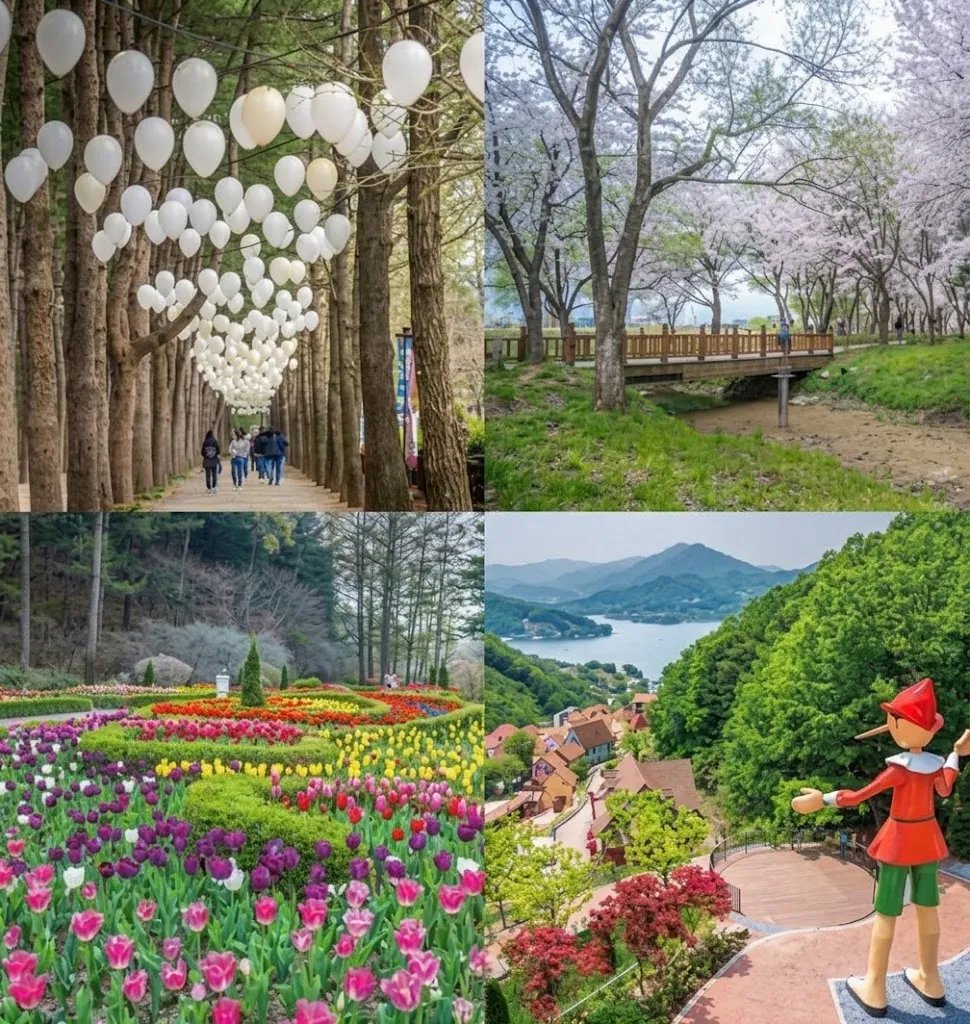
Today Gapyeong is where Koreans goes on a picnic. River resorts, camping, Nami Island. Families take the same road out of the city and never guess what sat on that road in 1951.
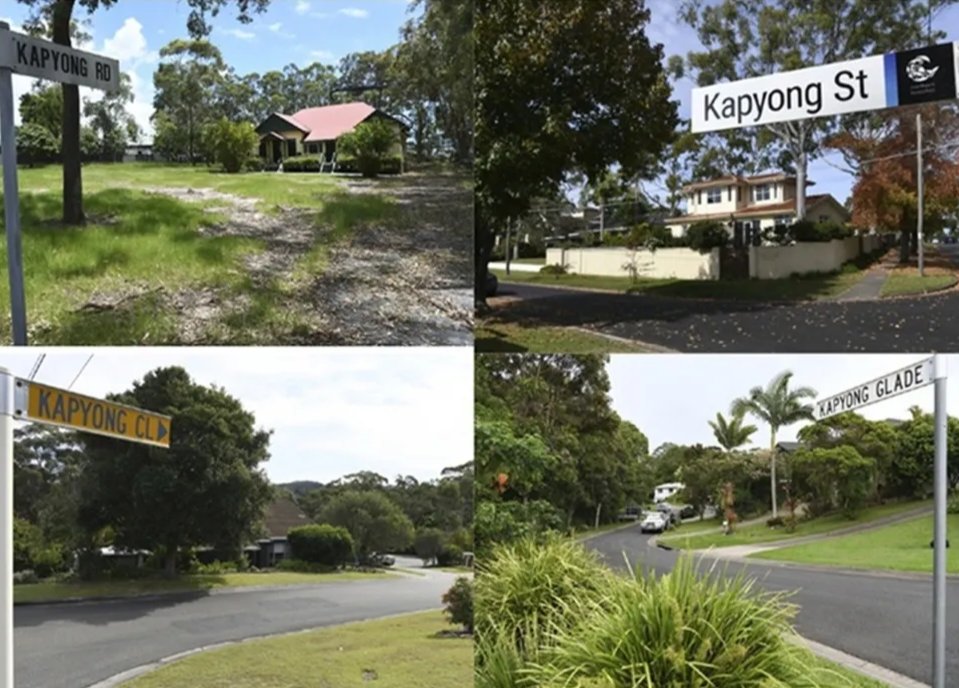
Most people outside Korea have never heard of Gapyeong. The name did not stay only in Korea. Australia has a Kapyong Road in Queensland and a Kapyong Street in New South Wales. The Australian battalion that fought here still lives on Kapyong Lines. In Winnipeg, Canada, the home of the Patricias was called Kapyong Barracks. A Korean hillside became an address on the other side of the world. That is what a shared war looks like when it lasts.
Why the valley mattered
By April 1951 Seoul had already fallen twice. China wanted it again. Gapyeong is a hallway of river and road northeast of the capital. Take the hallway and the city is next.
April 23 to 25: 10,600 against 2,800
A South Korean division ahead of the valley broke. What stepped into the hole was not a Korean army. It was a small UN brigade: two battalions on the hills, New Zealand guns behind them, British troops in reserve, American tanks on the road. About 2,800 men. Coming at them was a Chinese division of about 10,600.
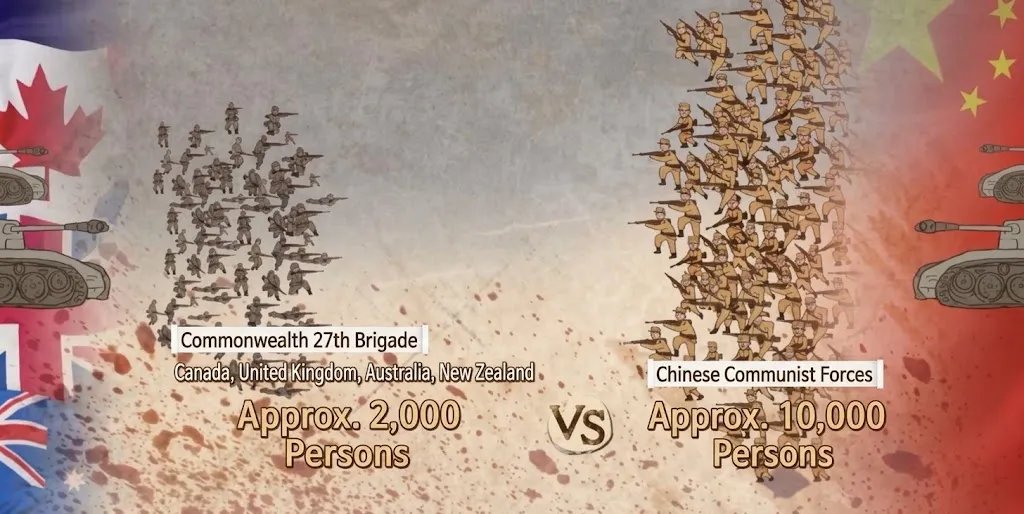
That is the legend other countries still tell. A whole division against a brigade. Four to one. If the valley opened, Seoul could fall a third time. The brigade did not give the valley away.
The Australians took the first shock on Hill 504 and were forced off after a night of waves. Cost: 32 dead, about 59 wounded, 3 captured. The Canadians on Hill 677 were then surrounded. They called artillery onto their own ground and were still there at sunrise. About 10 dead, 23 wounded. New Zealand lost 2. American tank crews lost men on the road. Chinese losses on that axis are usually estimated near two thousand.
Australia and Canada still treat this as their Korean War. Both battalions received the U.S. Presidential Unit Citation.
The men were 19 and 22 and 35. They were not defending Sydney or Calgary. They were holding a Korean hillside so a city they had barely seen would not fall again. The door to Seoul stayed shut.
May: Korea on the same road
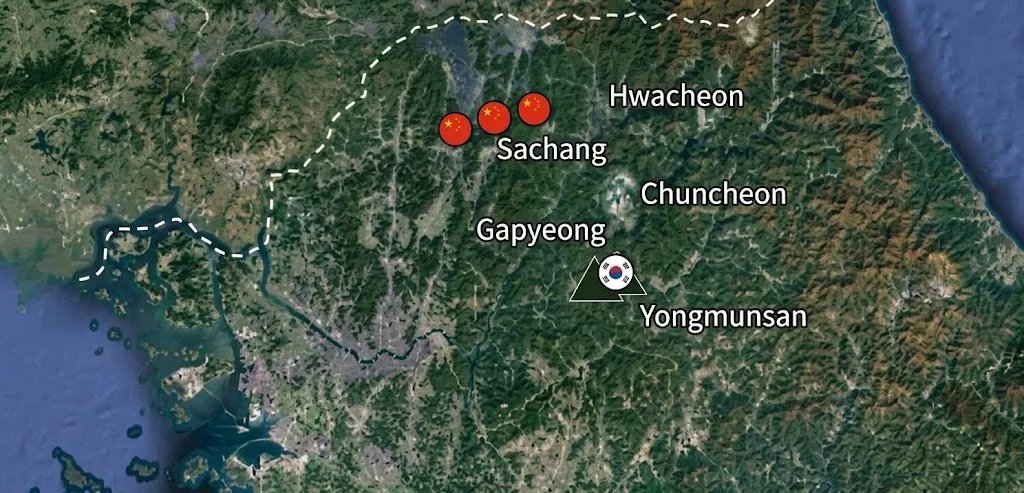
The unit that broke in April was South Korea’s 6th Division. A month later the same men were sent to Yongmunsan(용문산), the mountain that guards the valley. Their commander told the 2nd Regiment there would be no step back. Some accounts say soldiers scratched “fight to the death(決死)” onto their helmets.
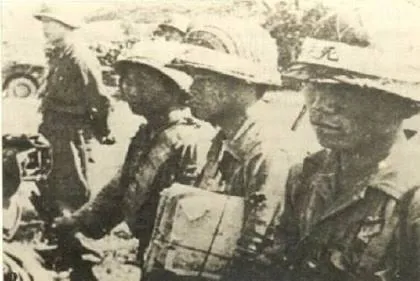
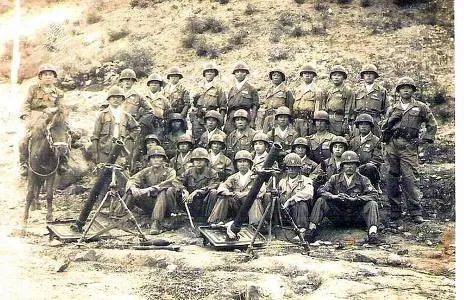
China sent three divisions, more than 20,000 men. The Korean regiment did not leave the hills, so Chinese commanders decided this must be the main line and threw the whole army at it. One regiment. Three divisions.
They fought in a ring on Nasan, Hill 353, and Hill 427. Flares, then bayonets. Korean records say that on May 20 the division counted 4,912 Chinese dead and lost five killed. The whole battle cost Korea about 107 dead, 494 wounded, and 33 missing. The May attack through this sector stopped. After the chase north, President Syngman Rhee named the reservoir Paro Lake, the lake where the invaders were broken.
A division that had run in April refused to run in May.
May 26 and 27: 240 against 4,000
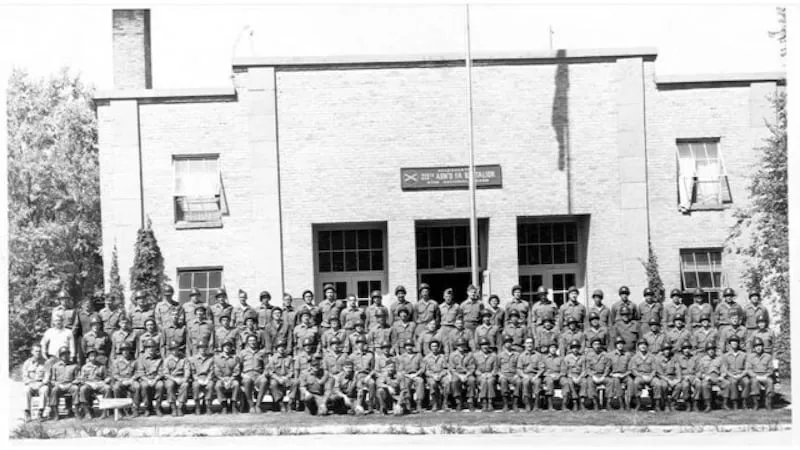
The 213th Field Artillery Battalion came from small towns in southern Utah. Cedar City, Richfield, St. George. Many were 18 or 19. Many had grown up in the same church pews. They were gunners, not infantry, and they had already been in this valley in April.
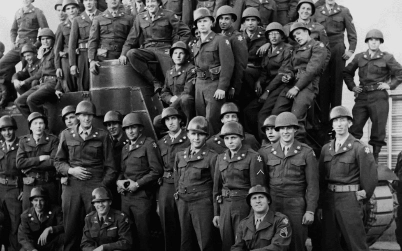
On the night of May 26 the infantry in front of them pulled away. That left about 240 men in Headquarters and A Battery as the front line. Howitzers need distance. The Chinese were already in the camp.
This was not a small rear skirmish. The men coming down the canyon were thousands trying to smash a hole and live to fight again. Behind the guns sat a headquarters, a field hospital, the road south, and the same hallway that leads toward Seoul. If 3,000 to 4,000 get through 240 gunners, the valley opens from the inside. The UN chase north breaks. A beaten Chinese force becomes an army again. Korea had already lost Seoul twice. One more open road in this sector and the capital is back in the path of a war it had just survived.
They hit just before 2 a.m. The Chinese got within twenty feet of the switchboard. The Utah boys fought with rifles and machine guns. At dawn Captain Ray Cox walked a patrol up the draw. Hundreds put their hands up.
Morning count, as the battalion recorded it: about 350 Chinese dead, 831 prisoners, a few Utah wounded, nobody killed. Fifteen to one, and the gunners went home alive. The road stayed closed. Seoul stayed out of reach. Korea still calls that night the Miracle of Gapyeong.
What it left
The war ran until July 1953. Gapyeong did not end it. It kept Seoul from falling in the spring of 1951, which is another way of saying it kept there being a South Korea to rebuild.
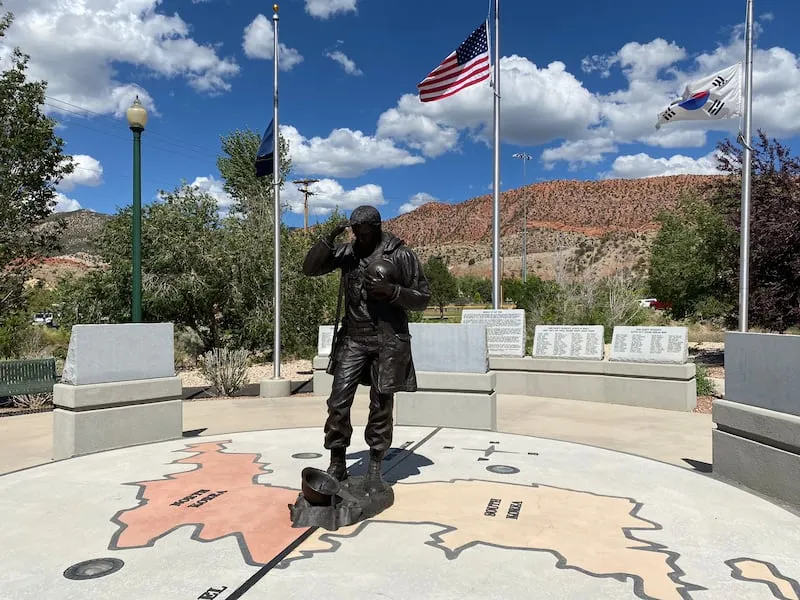
Sixteen nations fought under the UN flag. Australia put the name on a road. Canada put it on a barracks. Utah still tells the night of the 240. Korea kept the valley those men refused to give away.
A picnic town. Ten thousand against three thousand, then four thousand against 240. That is Gapyeong.