
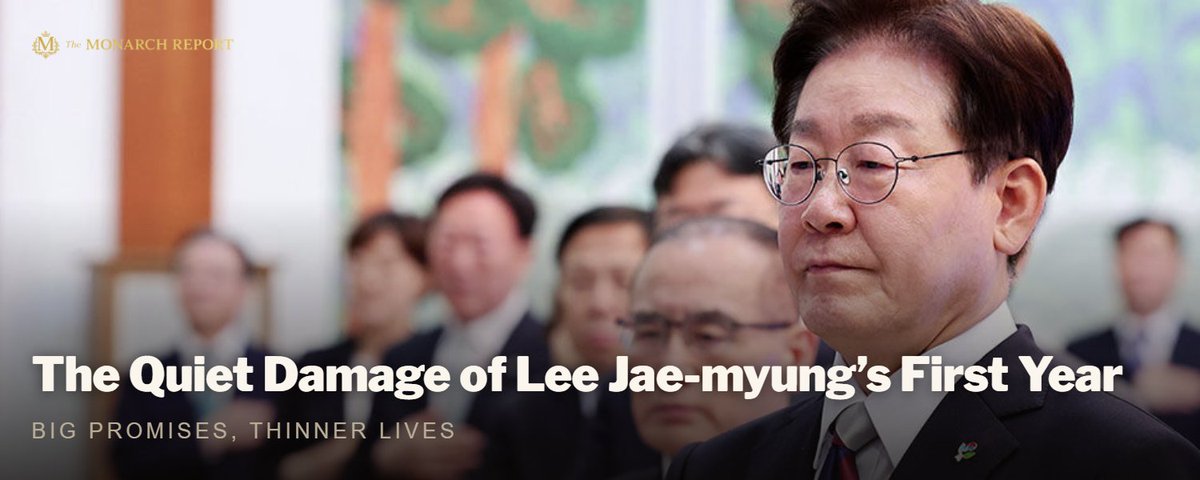

Fake-news rules and talk of constitutional change already made the international wires. Korean voters have been paying a different bill first. President Lee Jae-myung promised stable livelihoods, help for the young, better medicine, farming, and fairness.
A mid-September Gallup Korea poll put his approval at 38 percent, the lowest in that series since he took office. In Seoul it was 29 percent. Some readings put the capital below the conservative southeast. Read that only as left versus right and you miss the sequence. Daily life got harder first. The numbers followed.
The money was budgeted. It did not reach the units
South Korea’s defense budget is voted by the National Assembly. The finance authorities then wire it from the treasury to the defense ministry and the procurement agency.
On December 31, 2025, that transfer stopped. Year-end reports put the unsent sum at about ₩1.8 trillion, roughly ₩1 trillion for force operations and ₩800 billion for weapons and upgrades. Front-line units could not close year-end purchases of fuel, food, and contracted work. Makers of the Hyunmoo missile and the KF-21 fighter went unpaid. The delay ran down to subcontractors and bonuses.
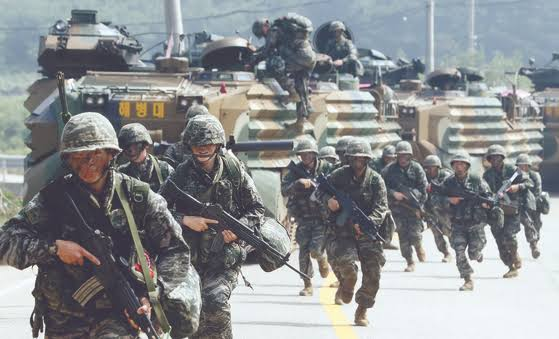
The government said it began paying the carryover on the morning of January 9 and called it routine. Official figures that day put the remaining gap at about ₩1.2 trillion. Both sides accept that the money was late. Whether the delay was extraordinary is still disputed.
Motive is not the point. A defense budget cannot be judged by the headline total alone. If the wire stops at the fiscal year-end, units and factories stall in a matter of days.
One of the world’s largest pensions stopped selling on schedule
The National Pension Service invests workers’ contributions at home and abroad. It is also one of the biggest buyers in the Korean stock market. When a rally pushes its domestic-equity share above the target, the rule is to sell and rebalance.
In January 2026 the fund suspended that sale for six months. In May it raised the domestic-equity target itself, from 14.9 percent to 20.8 percent. Local elections on June 3 fell inside the freeze.
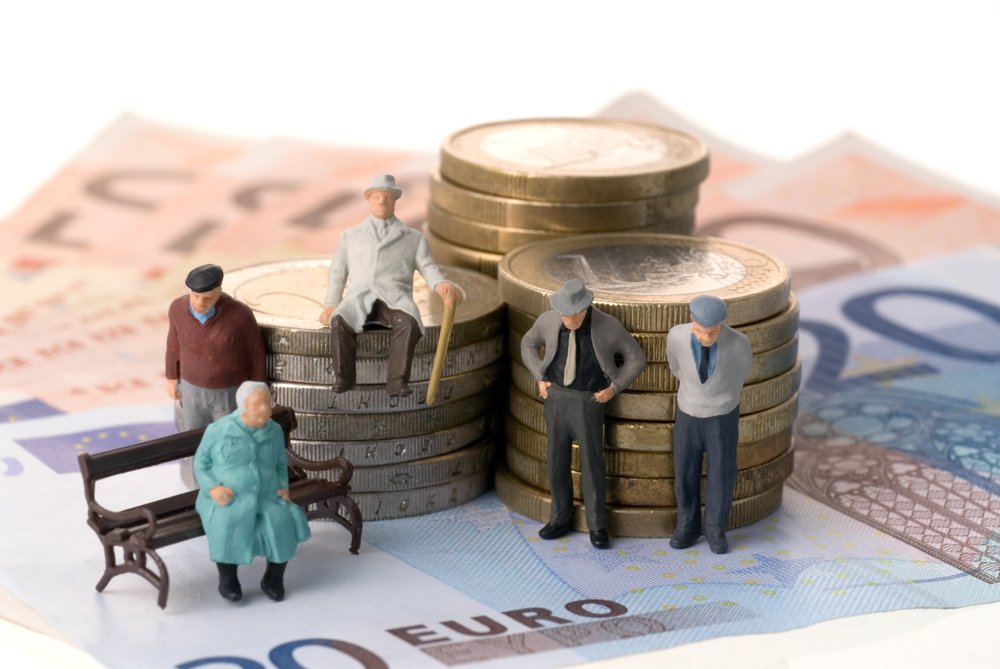
The opposition said the fund held off selling to protect the market before the vote. Officials said they needed time to judge a surge, and that the election was not the reason. That is not a proven fix.
The scale is the story. Not selling can prop up prices now and tie tomorrow’s pensions more tightly to a volatile home market. If a major public pension elsewhere did the same, it would be framed at once as politics and markets. In Korea it stayed, for a long time, inside specialist coverage.
Shops close, The debt does not
Bank of Korea figures given to the National Assembly put self-employed loans at about ₩1,095 trillion at the end of the first quarter of 2026. Loans overdue by a month or more were about ₩22.3 trillion, roughly four times the end-2021 level. National Tax Service data for 2025 showed closures of restaurants open five years or more, and of restaurants open twenty years or more, at or near record highs.
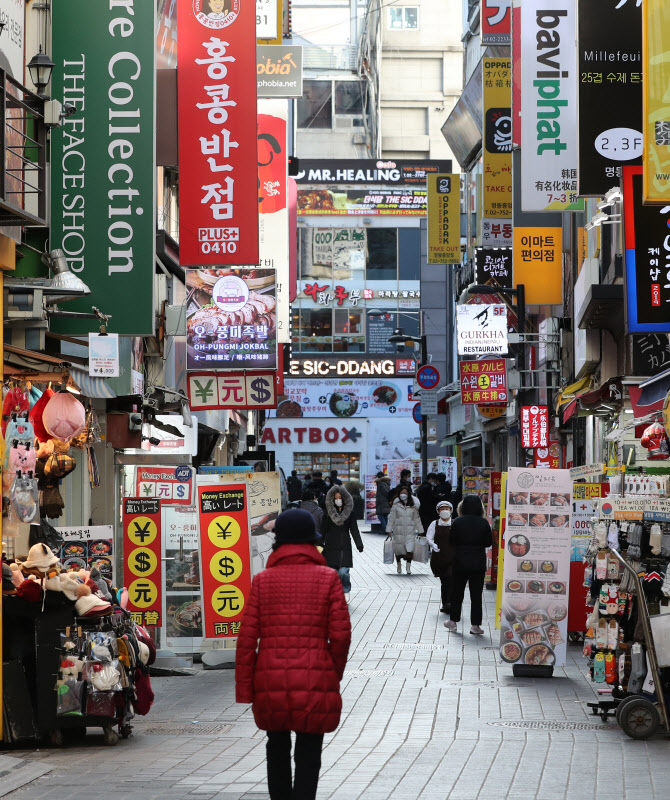
The government kept promising help for domestic demand and small business. What remains is the balance after the shutters come down. A 0.25 percentage-point rise in rates, by estimates reported from Bank of Korea data, would add about ₩1.8 trillion a year in interest. This is not a left-right parable. In an economy built on the self-employed, a failed shop breaks a household and then the suppliers around it.
They promised more doctors. At night, pediatrics is missing
The medical pledge was about headcount. Parents meet the night shift. Even in Seoul, some districts have no primary clinic that sees children after hours. A fever or mild dehydration is pushed into a big-hospital emergency room. In the second-half 2025 residency round, pediatrics filled 13.4 percent of its slots and emergency medicine about 42 percent.
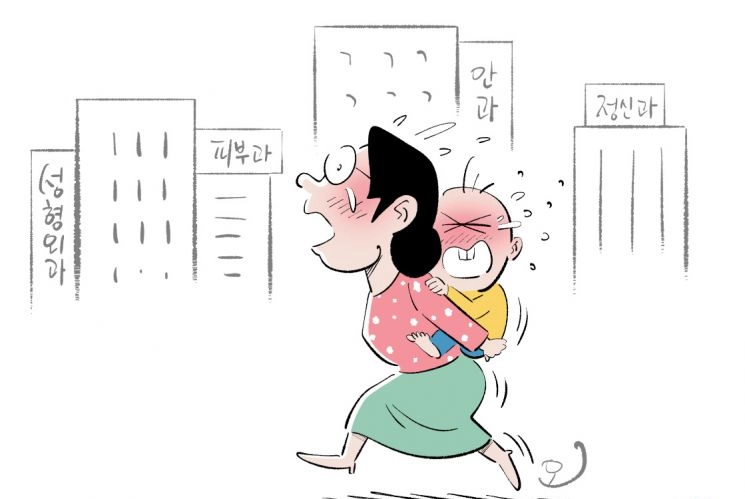
Later application rates for emergency training were higher, but the night window did not suddenly reopen. Laws against sending ambulances from hospital to hospital are moving. Tonight’s on-call pediatrician does not arrive by statute. The name of the reform and the desk that is open at 2 a.m. are different things. The test is simple: where do you take a child with a fever.
An anti-speculation survey scared farmers who cannot farm
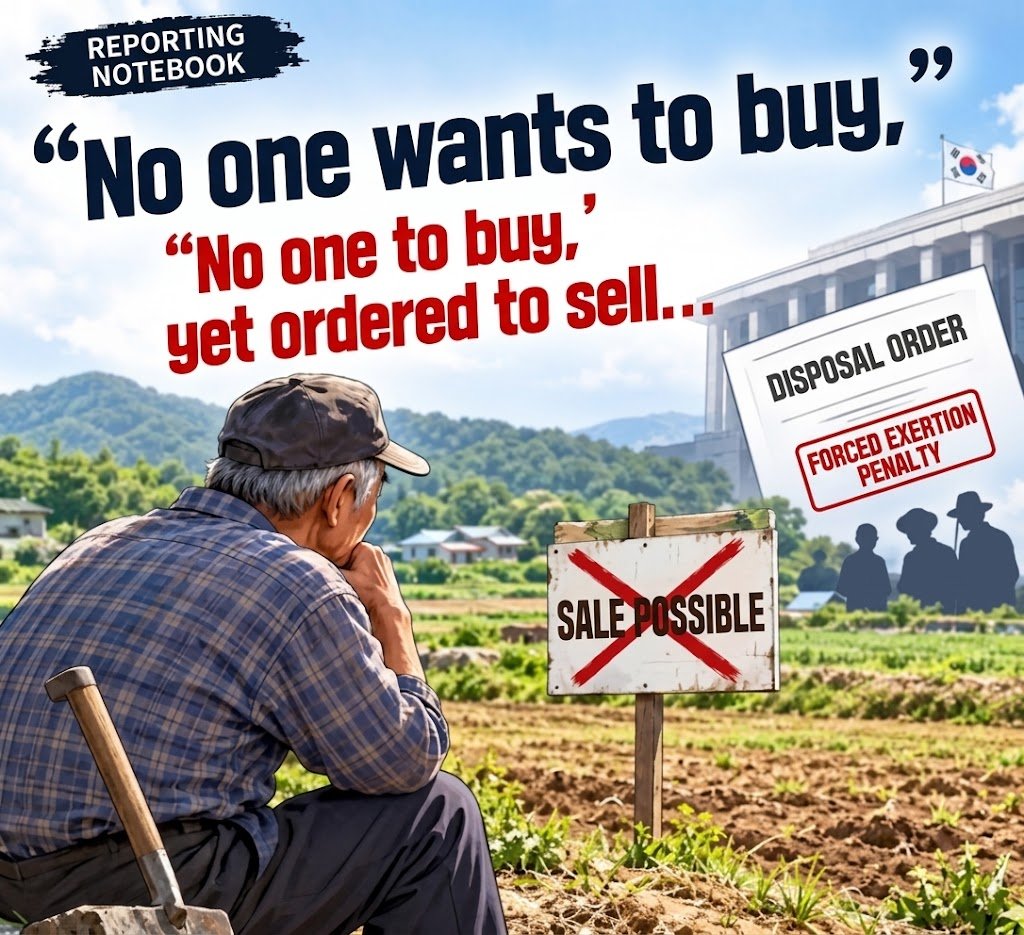
Korean farmland law leans hard on the idea that the person who tills should own the land. On presidential instruction, a nationwide survey began.
A basic pass classed about 27 percent of the plots checked, 2.84 million parcels, as suspected illegal leases, idle fields, or similar breaches. That is the government’s own figure. Suspicion is not a finding. Officials say it is not an instant confiscation.
What farmers heard first was tax and forced sale. Older people who can no longer work the land, and children who inherited a parent’s field, were pulled in. Even ruling-party rural districts began asking for a softer fix before the harvest holiday. Abroad this is easy to label land reform. On the ground it is a database project that delivered fear before it delivered clarity.
Cash for the young. Fewer first jobs
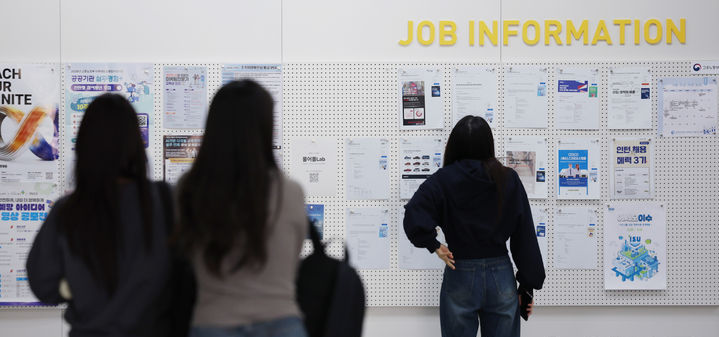
The government can call youth-related spending the largest on record. Much of it is cash before age 18: child allowances and birth payments. The employment rate for people aged 15 to 29 has fallen for a long run of months. Youth unemployment was reported at 5.4 percent in August 2026, the highest for that month in four years. Money is handed out. The first real seat at work is not. That sits next to weak support among people in their twenties.
The birth-rate story has the same shape. Celebration grants grow. A model, published in 2024 and presented again in 2026, estimates that without the status-competition effect in education, women born in 1970 to 1975 would have had about 28 percent more children. It is a counterfactual, not a lab result. The direction is clear. What is missing is not only the bonus. It is the shape of the contest.
The wound that left and right do not measure
Speech rules and constitutional change travel well as institutional stories. What Koreans have been paying first is the defense money that stopped at year-end, the pension that did not sell, the ₩22 trillion still due after shops closed, the missing night pediatric clinic, the farmland marked suspect, and a youth budget with cash but no chairs.
Read the drop in approval only as left versus right and you miss the household damage. Which of these quiet accounts will still be on the books in 2030 is the real measure of Lee’s first year. Sources