

Not aid, but self-reliance. The "New Village Movement for Africa" promoted by Dr. Hak Ja Han is an international development project that adapts Korea's success story to Africa.
Education, healthcare, agriculture, family reconstruction—this article introduces these multifaceted initiatives.
Prologue: The Door of No Return
January 2018, Senegal.
Dr. Hak Ja Han visited a small island floating in the Atlantic Ocean.
Gorée Island—a place where millions of Africans were once bound in chains and loaded onto ships, never to see their homeland again.

At the entrance known as the "Door of No Return," Dr. Hak Ja Han quietly shed tears.
"When I stood before this gate, I could hear the cries of countless Africans who were taken away."
And she prayed:
“Please liberate the spirits of Africa who have carried deep resentment.”
She was 75 years old at the time. Born in North Korea, having survived war, traveling around the world—why was she standing in Africa?
The answer lay in seeds planted 50 years ago.
Chapter 1: Those Who Planted the Seeds
1975, in the midst of the Cold War. A team of three missionaries from Korea set foot on the African continent. Japanese, American, German. Each with different languages and cultures.
Their mission was not to build churches.
Build schools. Open clinics. Establish factories.
"Salvation of the spirit and salvation of livelihood. Both were needed."
Senegal, Nigeria, Congo, Mozambique. The missionaries knew it would take decades to see results, but they continued to silently plant seeds.
"Don't give fish—teach how to fish."
Chapter 2: Beyond the Limits of Aid
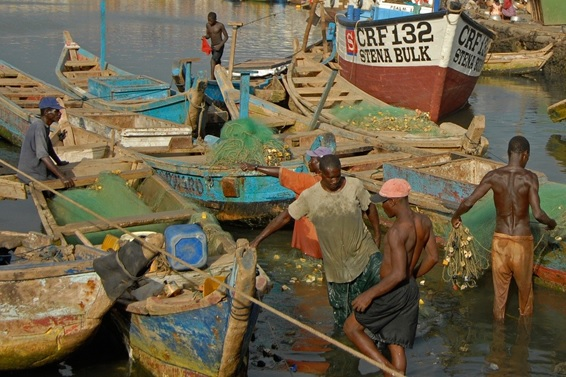
Every year, enormous amounts of aid flow into Africa.
Yet poverty does not decrease.
Dr. Hak Ja Han confronted this question head-on.
"Africa has many rivers, lakes, and seas. Therefore, we need to teach people how to catch fish and create fish farms. I prayed: How can we heal the wounds of this continent and bring harmony and unity of heart?"
At the 2018 Dakar Summit, where 1,200 people from 55 countries gathered, she declared her vision.
Simply handing over money or supplies does not solve problems. What Dr. Han emphasized was "a change in mindset."
Why couldn't she treat this as someone else's problem?
Chapter 3: The Girl Who Survived the War
1943, Anju, North Korea. Hak Ja Han was born in a poor village. Japanese colonial rule, then the Korean War.

At the age of five, she was arrested and imprisoned by the Communist Party along with her mother and grandmother.
About two years after her release, the Korean War broke out. She then fled south, crossing the Han River bridge.
That bridge was blown up just minutes after she finished crossing.
Hunger, fear, loss of homeland. Having experienced all of this, Africa's pain was not someone else's problem for her.
"Africa is the birthplace of human civilization. However, some Africans live in such poverty that obtaining food becomes their primary goal. Every time I visit Africa, I search for ways to solve these problems. I take this very personally." —Autobiography Mother of Peace
Bringing Korea's miracle to Africa.
Chapter 4: The Success Story Called the New Village Movement
1960s Korea. Per capita GDP was at the level of the world's poorest nations.
From there began the "Saemaul Undong" (New Village Movement). Bringing electricity to rural areas, building roads, changing people's consciousness. The motto was "Diligence, Self-Help, Cooperation."
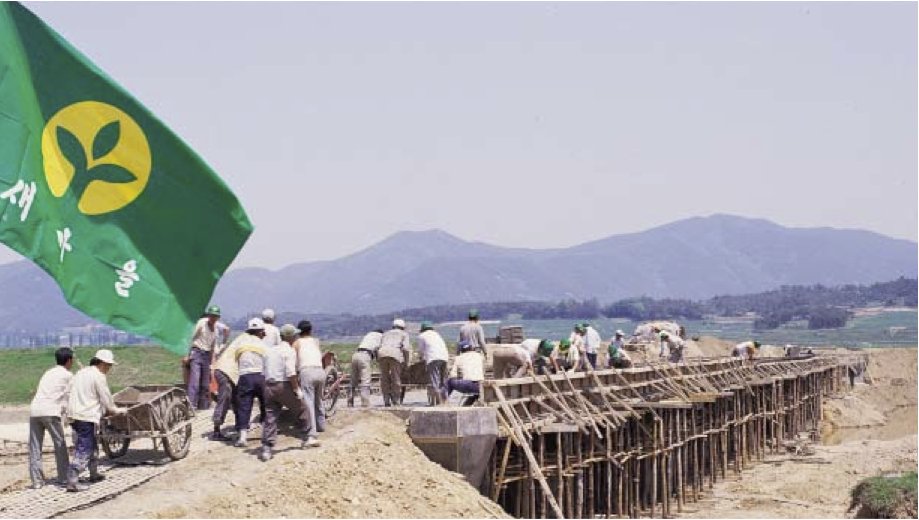
As a result, Korea became the world's 10th largest economy.
Adapting this success story to Africa's culture, religion, and history—that was Dr. Hak Ja Han Moon's vision.
So what is happening on the ground?
Chapter 5: Education—Words That Change Lives
Africa's Education Crisis
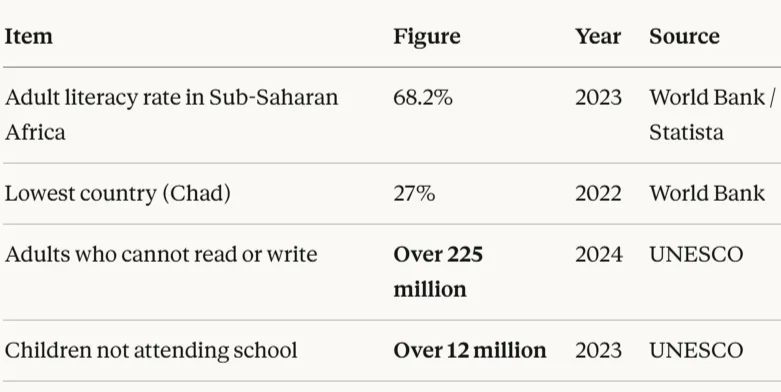
In some Sub-Saharan African countries, only one in three adults over 15 can read and write.
WFWP's "Schools of Africa" Project
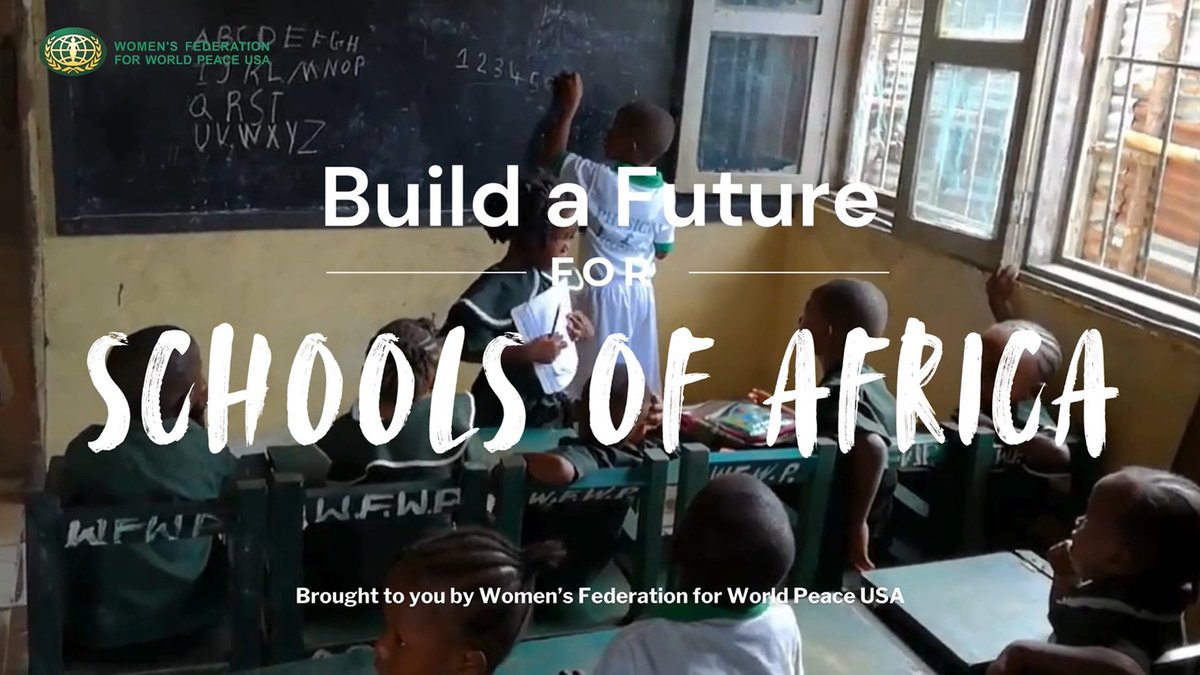
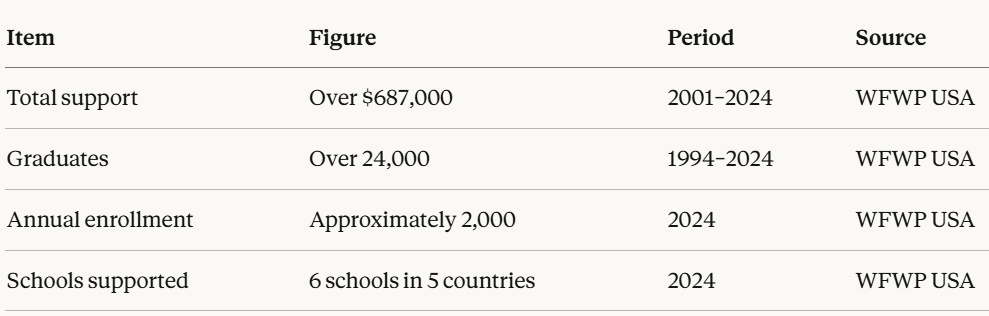
In the early 1990s, WFWP Japan began international cooperation activities through overseas volunteers. In 2001, WFWP USA launched the "Schools of Africa" project, providing financial support to 9 schools in 8 countries.
Key accomplishments of the school

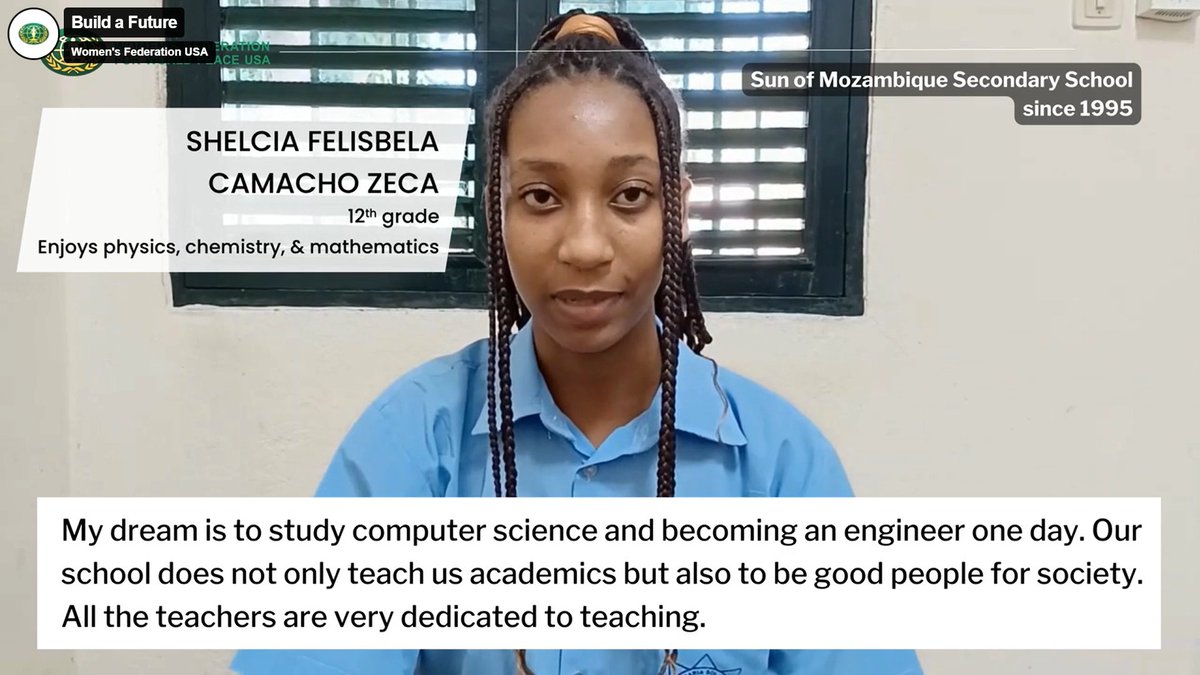
Representative Schools
"When I enrolled in this school, I knew nothing. But after I started studying here, I learned to write my name and understand numbers well. It brought a great change to my life." (Graduate's testimony)
Education is not all. Life-saving activities continue as well.
Chapter 6: Healthcare—Over 50 Years of Service
Africa's Diabetes Crisis
According to WHO, over 24 million adults in the African region alone currently have diabetes, and half of them remain undiagnosed. Without treatment, this leads to heart disease, stroke, nerve damage, kidney failure, limb amputation, and blindness.
HJ Magnolia Medical Foundation's Initiatives
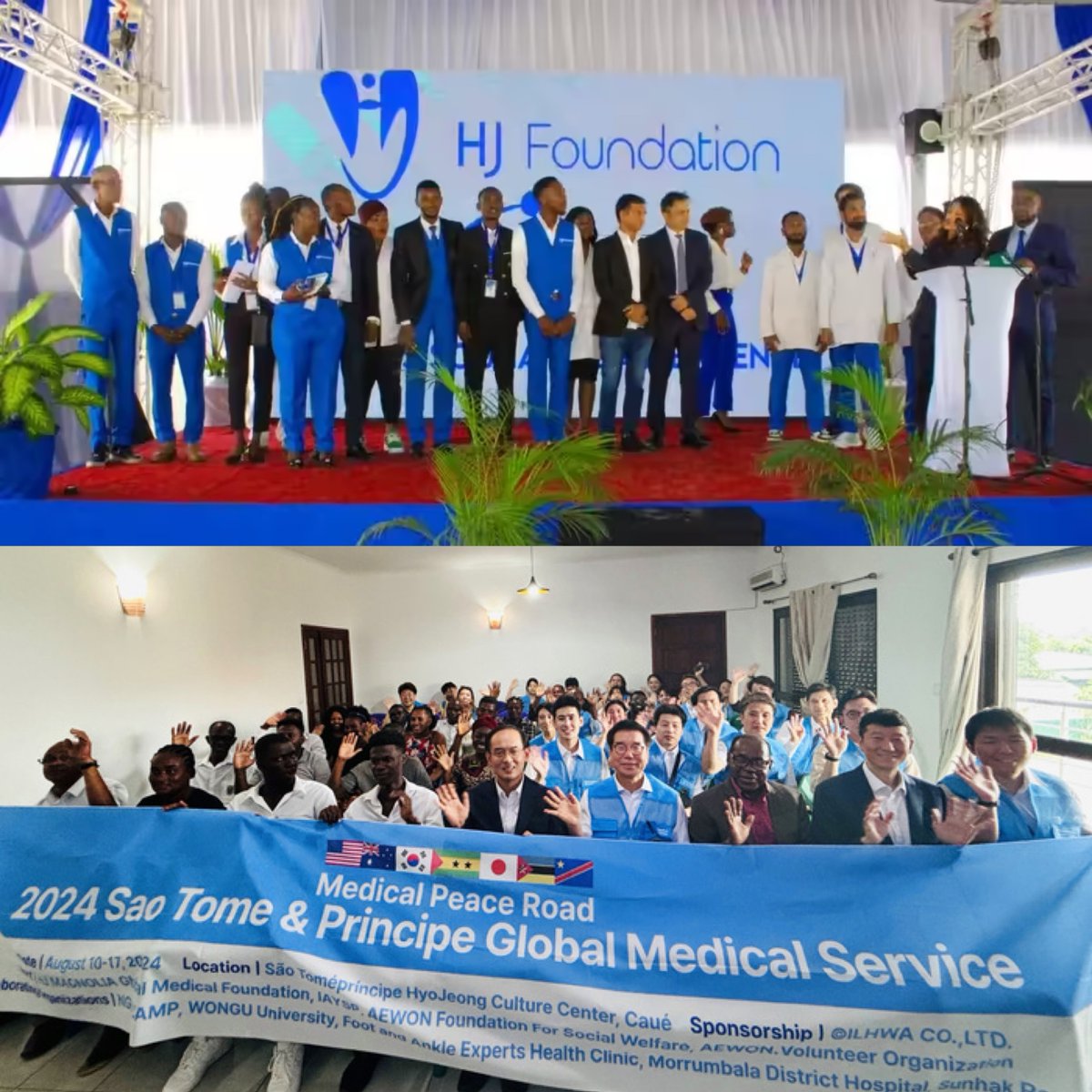
The Unification Movement began overseas medical volunteer activities in 1971.
Staff from Cheongshim International Medical Center (HJ Magnolia International Hospital) continue this tradition in cooperation with Isshin Hospital in Japan and the Aewon Social Welfare Foundation.
Countries of Activity

Through early detection and treatment, they work to reduce preventable amputations, blindness, and deaths. By bringing healthcare to areas without medical access, they continue activities to protect people's lives and health.
However, the most fundamental problem was "family."
Chapter 7: Family Reconstruction—The Day 200,000 Gathered
South Africa's Crisis
Violence against women had become a serious social problem in the country.
In August 2019, 19-year-old university student Uyinene Mrwetyana was lured by a post office worker, raped, and murdered. This triggered nationwide protests.

President Ramaphosa declared "gender-based violence and femicide a national crisis."
A Marriage Blessing Ceremony Held Amid Serious Social Crisis
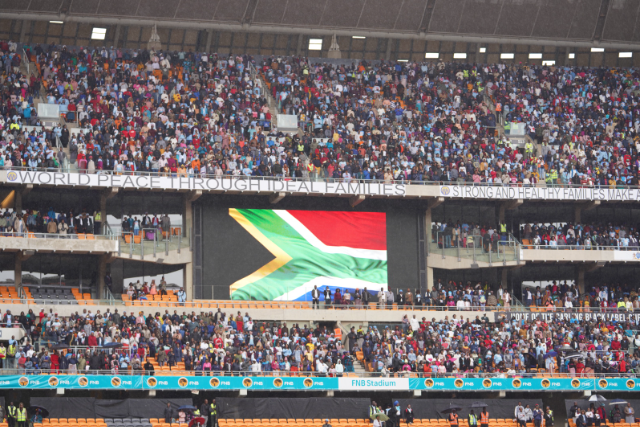
On December 7, 2019, 200,000 people gathered at FNB Stadium in Johannesburg.
A continent-wide marriage blessing ceremony with participants from all 54 African countries.
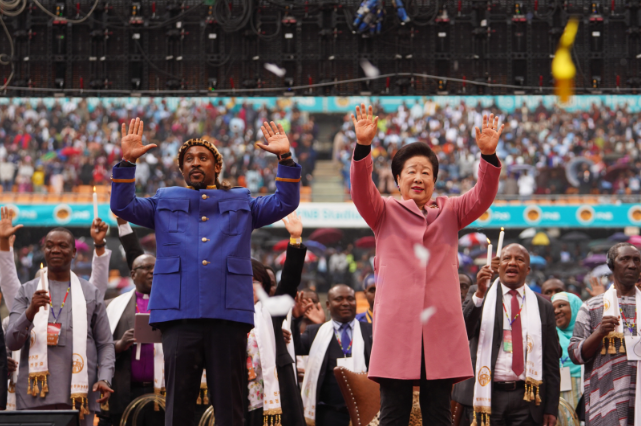
A national blessing ceremony with over 60,000 couples had also been held in June of the same year.
"It's a miracle for Africa's largest stadium to be filled in the rain. In Africa, rain is a blessing." (Prophet Radebe, collaborator)
The Government's Attitude Changed Completely
The South African government had previously blocked Dr. Hak Ja Han's entry into the country.
But this time, President Ramaphosa's official representative attended the blessing ceremony.

After seeing the ceremony report and media coverage across Africa, the president dispatched a special aide with the message: "I would like to meet True Mother directly."
The South African presidency stated: "South Africa considers True Mother as family."
Massive Media Coverage
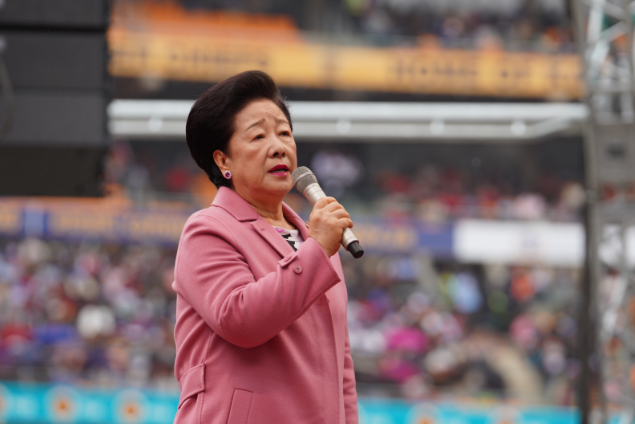
Representatives of the AU (African Union) and ECOWAS (Economic Community of West African States) expressed high appreciation for Dr. Hak Ja Han's vision of peace.
Why did African leaders gather?
Chapter 8: Dakar Summit—From 1,200 to 5,000
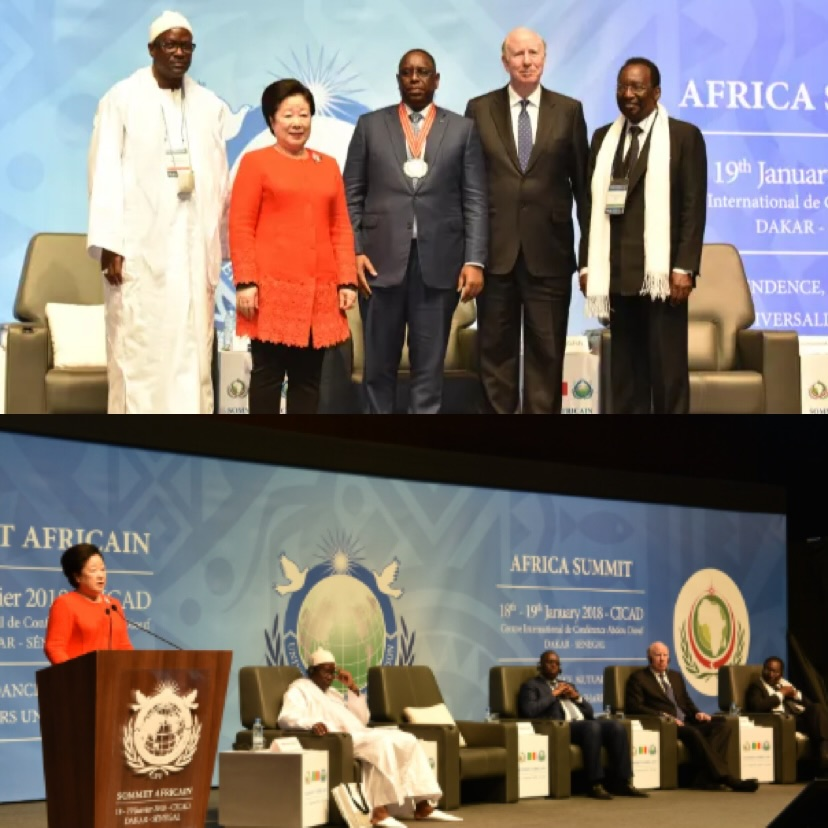
In January 2018, approximately 1,200 people from over 60 countries gathered in Dakar, the capital of Senegal—to create a "New Africa" together.
President Macky Sall and Dr. Hak Ja Han Moon delivered keynote addresses.
"Africa can become the light that illuminates the world."
In response to her words, three international peace organizations were launched.
[Three peace organizations have been inaugurated]
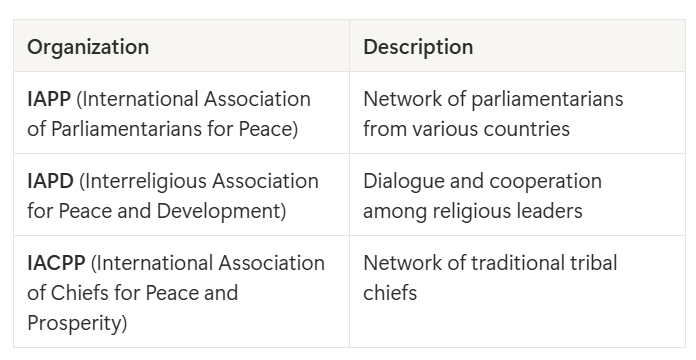
Dakar Peace Declaration
Adopted with unanimous approval from all participants. They declared commitment to the following:
"From 1,200 to 5,000"
IAPP (International Association of Parliamentarians for Peace) expanded to over 80 countries in just a few years, growing into an international network with over 5,000 parliamentarians participating.
The laureates continue to change the world as well.
Chapter 9: Sunhak Peace Prize—A Light Illuminating Africa
In 2015, Dr. Hak Ja Han Moon established the Sunhak Peace Prize.
With a unique perspective different from the Nobel Peace Prize, it honors individuals who have contributed to peace based on the vision of "One Family Under God."
The achievements of the laureates are proven by numbers.

President of the African Development Bank. Has led agricultural innovation in Africa for over 30 years.
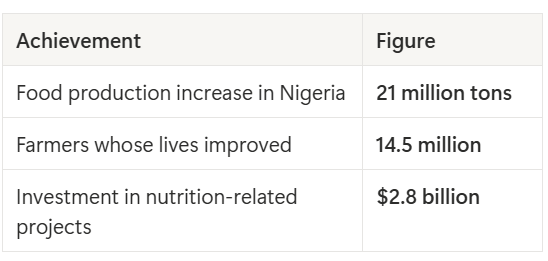
He received the World Food Prize in 2017 and is called "Africa's Norman Borlaug."
"Seeds give life. Bullets take life."

Former supermodel from Somalia. She experienced FGM (Female Genital Mutilation) at age 5 and became a pioneer in the movement to eradicate it.

From the Dark Continent to the Continent of Light.
Chapter 10: Possibilities and Challenges
According to UN projections, Africa's population will reach approximately 2.5 billion by 2050. One in four people in the world will be African.
Resources are abundant. Land is vast. There is a large young workforce.
However, challenges such as poverty, conflict, infectious diseases, and climate change are also piling up.
For Africa to continue developing, the question continues:
"How can we heal the wounds of this continent and bring harmony and unity of heart?" —Dr. Hak Ja Han
Conclusion
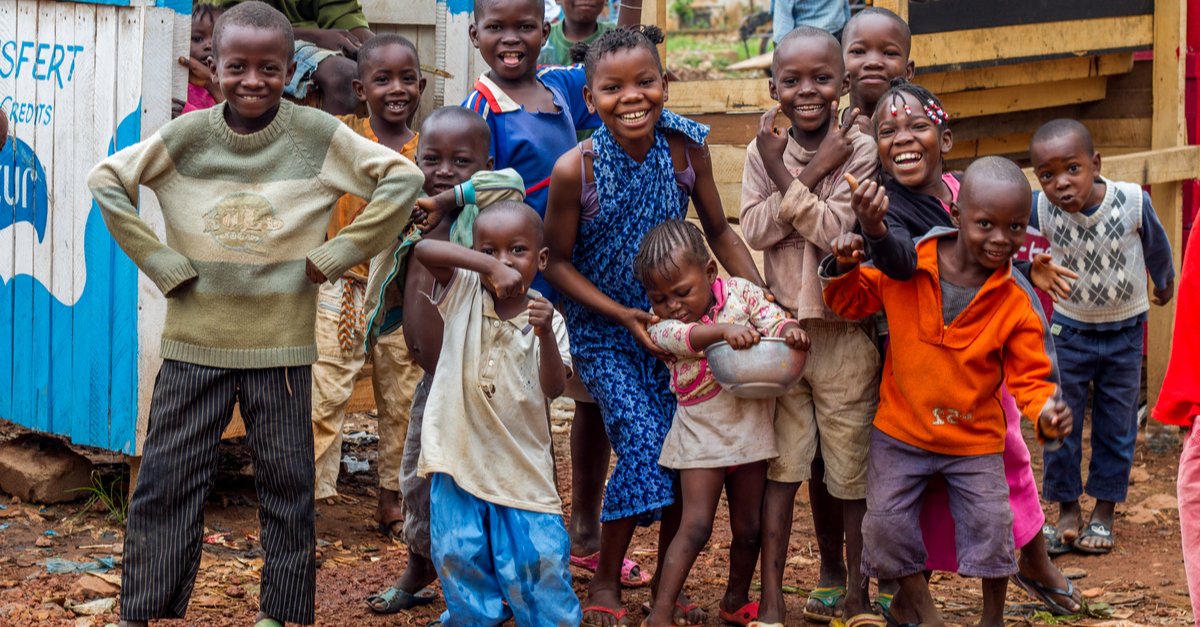
Years have passed since the day she shed tears on Gorée Island.
"Wiping Africa's tears"—this is the dream of one woman, and also the accumulation of sweat and effort from thousands of missionaries, volunteers, and local staff.
The New Village Movement for Africa continues to contribute to sustainable development and peacebuilding.
Africa, once called the "Dark Continent," is transforming into the "Continent of Hope."
This dream was built over her lifetime—even while living in Korea, far from Africa, she has always worried about Africa's future.
And the seeds planted in African soil are growing quietly, but surely.