
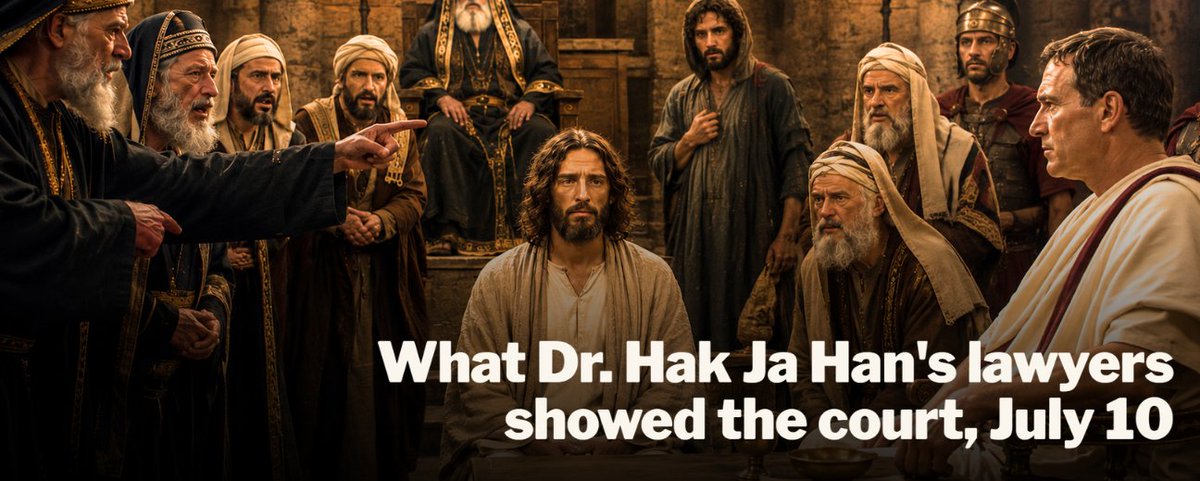
The special counsel's demand for 13 years made headlines. The defense's answer at the same hearing, that the case rests on one witness whose account does not match the records, did not.
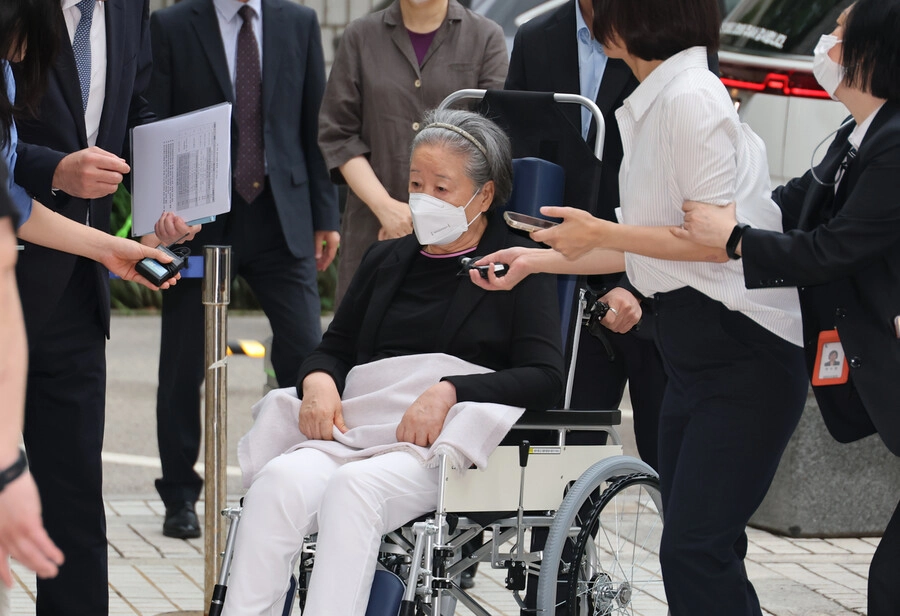
At the final hearing on July 10, 2026, the special counsel team led by Min Joong-ki asked the Seoul Central District Court for 13 years for Dr. Hak Ja Han, leader of the Family Federation for World Peace and Unification, calling her the ultimate beneficiary of the church's ties to political power.
The charges:
A briefing released by the church itself
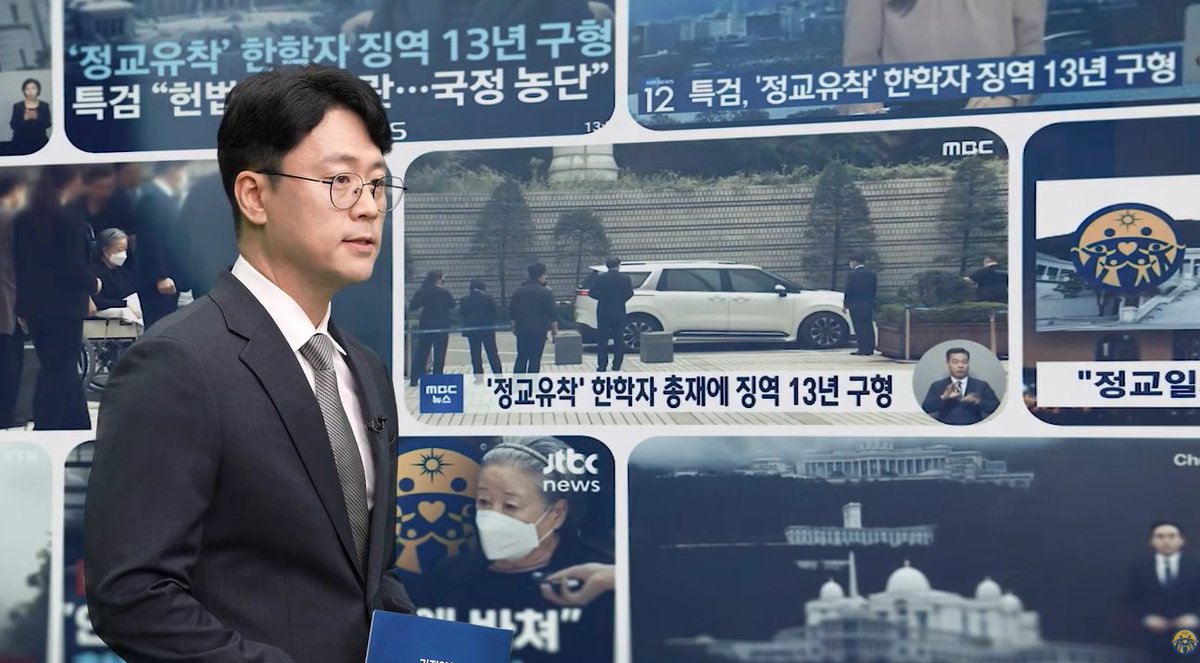
The Family Federation has been posting a nine-part video series presenting the closing arguments its lawyers made at that hearing, the 32nd since the trial opened.
The videos are edited by the church, but what they contain is legal argument, and legal argument can be checked.
Both of the first two episodes open at the trial of Jesus.

The pairing is consistent:
・ Jesus : Dr. Han ・ The chief priests who brought the accusation : the special counsel ・ Pilate, who tried the case : the presiding judge ・ Judas : Yoon Young-ho, former head of the church's world headquarters and the prosecution's central witness
Episode one opens with Pilate, who said he found no guilt in Jesus on the charges brought, then yielded to the crowd, washed his hands and said:
"I am innocent of this man's blood. See to it yourselves." (Matthew 27:24)
The narrator sets that beside the sight of public opinion naming a sentence before the court has ruled, and says the series will examine the special counsel's mandate and its evidence through the legal lens Pilate used, not from the side of the crowd.
Episode one: three legal arguments
The three arguments all come before the question of guilt. They ask what the court may try at all, and what may be used as evidence.
The first is scope.
A special counsel's authority reaches only the subjects named in the special counsel act and crimes reasonably related to them. Apart from the counts involving gifts to Kim Keon-hee, the defense argued, the charges lack that connection and should be dismissed.

The second is admissibility.
The suspicion recorded in the search warrant, the provision of gifts to Kim, differs in motive from the remaining charges and bears no specific relation to them. On that reading, neither the material seized under that warrant nor the evidence derived from it can be admitted.
The third is cross-examination.
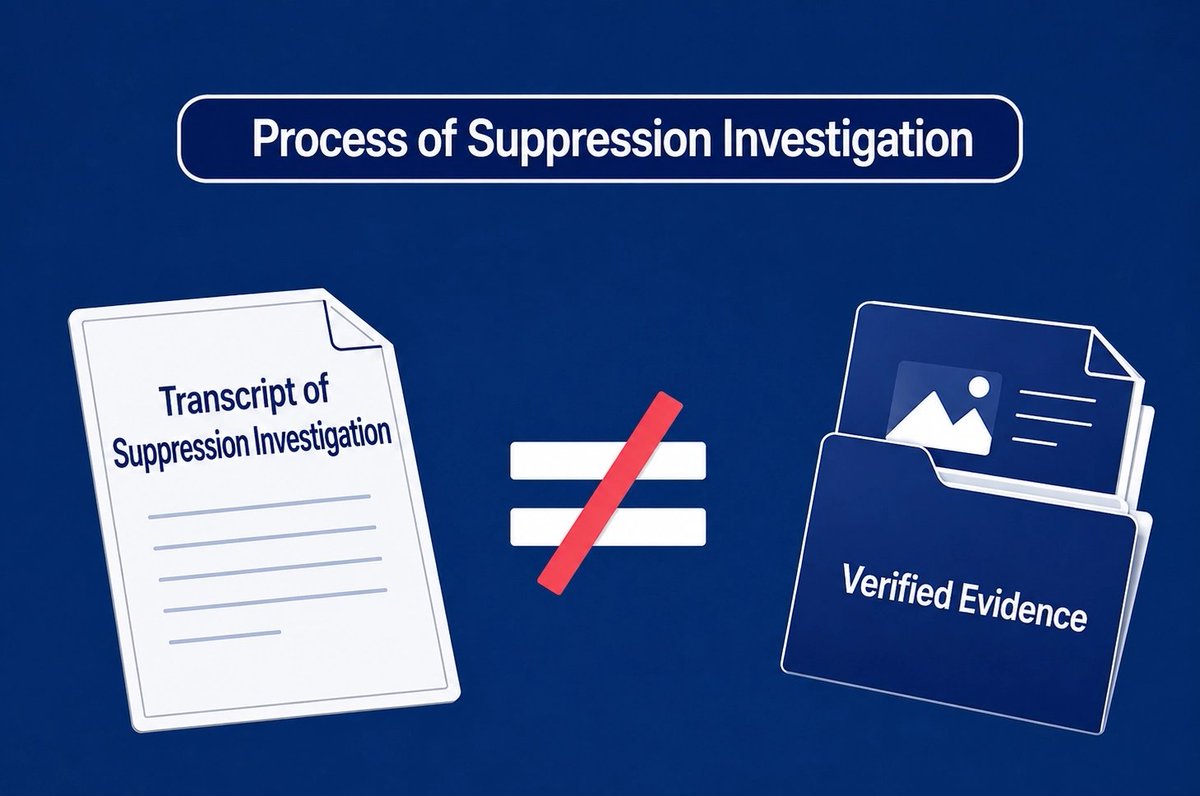
Yoon answered in general terms on direct examination that he had reported to Dr. Han, but refused to testify when counsel asked how the reports were made, what they contained, and whether she was involved. Where a refusal to testify prevents counsel from completing cross-examination, the Supreme Court's position is that neither the courtroom testimony nor the earlier statements may be admitted.

The narration cites Mark here, on the many who bore false witness against Jesus and whose testimony did not agree (Mark 14:55-56). Yoon's account is the only direct evidence linking Dr. Han to the alleged acts. If it cannot be used, no evidence supports the charges. Counsel asked the court to acquit.
Episode two: can the account be believed?
Episode two sets admissibility aside and asks whether the account holds up. It starts from the five things the Supreme Court weighs when assessing a witness:
That last point calls for stricter scrutiny when the witness is himself under investigation and may be shifting responsibility to reduce his own.
The defense placed Yoon's statements next to written records and entry logs.
Counsel's summary in court was blunt. The statements, he said, are entirely at odds with the physical evidence, the entry records and the dates the documents were created.
Why would Yoon say falsely that he had reported in advance and been approved? The Yoon the defense describes did not wait for instructions. The briefing quotes a recording entered into evidence.
"Haven't I always worked without taking instructions from Mother (Dr. Han)? I acted by reading what she had in mind."

He moved first and reported once results were in, the defense argued, treating the relationship as one between equals.
It pointed to assets of more than 4 billion won built with funds of unclear origin, and a Cambodia project he planned to emigrate to with his family. From this it drew three motives: resentment at losing his post, an interest in shifting criminal responsibility and gaining credit as a cooperating witness, and a need to conceal private gain.
Judas enters here. The disciple who sold Jesus for thirty pieces of silver (Matthew 26:14-15) is offered as the type of a man who gives up the truth when his own interests are at stake.

Back to a courtroom 2,000 years ago
The narration returns to one passage in both episodes.
"The chief priests and the whole council sought evidence against Jesus to put him to death, but they found none. For many bore false witness against him, and their testimony did not agree." (Mark 14:55-56)

The method for detecting false testimony has not changed in 2,000 years, the narrator says. Do the accounts agree? Do they match objective fact? Episode one lays that beside Pilate and closes on a line: the truth is settled by evidence, not by public opinion.
Readers may judge the overlay as they see fit. The standard it arrives at is the ordinary one, and the same one the Supreme Court applies.
The last thing the briefing leaves is not about evidence. It is the argument that the church's standing, or its framing as a religious minority, cannot be a basis for a finding of guilt.
What a criminal court answers is what a person did, not what that person's church is. On August 31 it will be clear which question was answered.